The Hidden Cost of Manual Shading: Protecting Luxury Interiors with Intelligent Automation

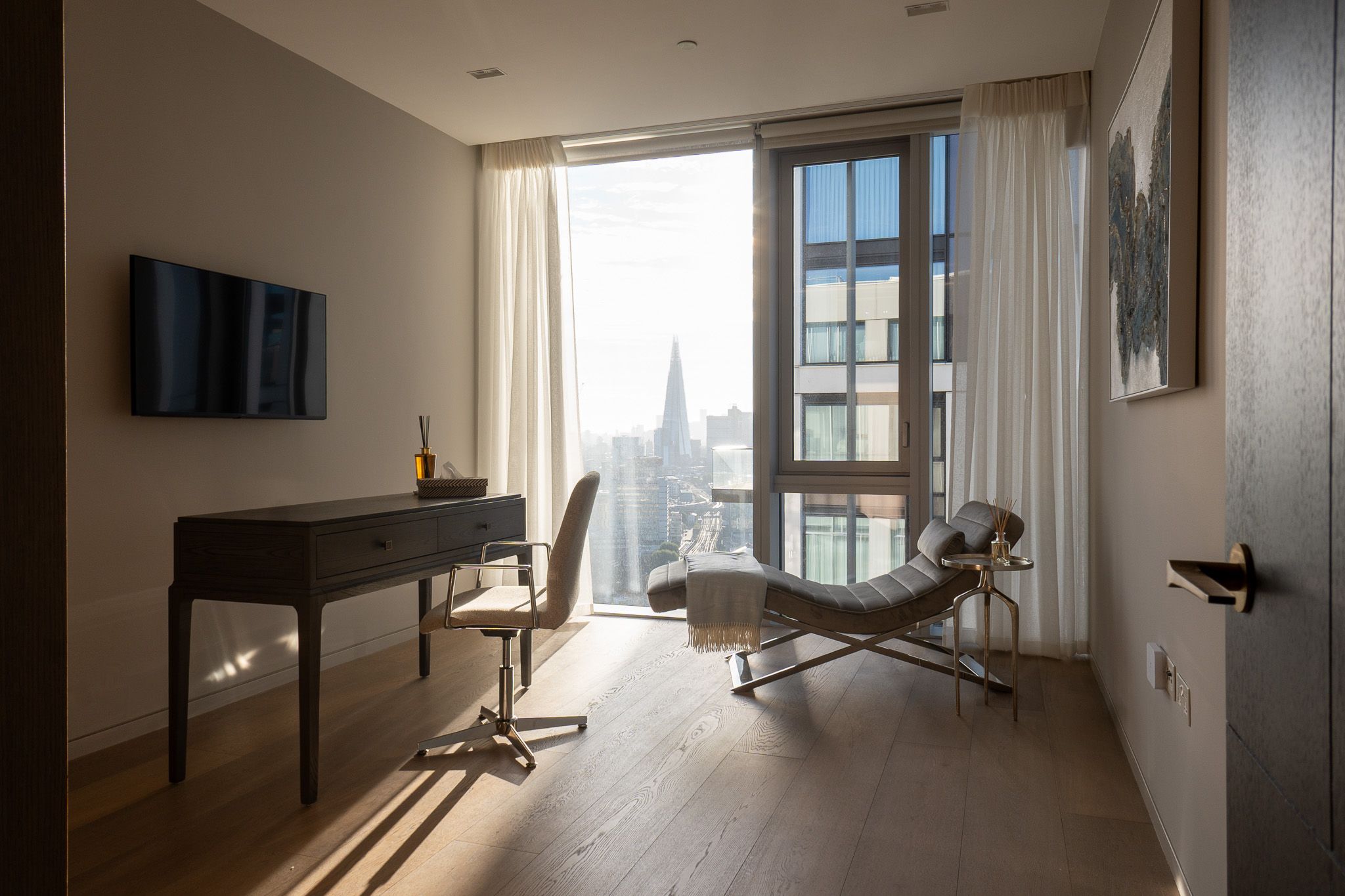
When designing or renovating a high-end property in London or the Home Counties, meticulous attention is paid to the finishes. Interior designers spend months sourcing rare timber veneers, bespoke silk rugs, curated fine art, and premium fabrics.

Yet, one of the greatest threats to these investments is entirely environmental: solar radiation.

While window treatments are often viewed through the lens of privacy and aesthetics, their primary structural role is light management. Here, we analyze the functional divide between traditional, manually operated shades and intelligent, automated shading systems—and why automation is no longer a luxury convenience, but a critical asset-protection strategy.

The Reality of UV and Infrared Damage

To understand the necessity of automated shading, one must understand how sunlight interacts with luxury materials. Natural light causes damage through two distinct mechanisms:

  • Ultraviolet (UV) Radiation: UV rays permanently break down chemical bonds in dyes and polymers. This leads to the irreversible fading of premium fabrics (such as silk and velvet), the yellowing of crisp gallery white walls, and the bleaching of dark hardwoods like walnut and oak.
  • Infrared (IR) Radiation (Solar Heat Gain): IR rays generate heat. When trapped behind large expanses of glazing, this heat bakes natural materials, causing bespoke joinery to warp, expand, and crack, while drying out fine leather upholstery.

Manual shades can block these rays, but only if they are lowered at the exact moment the sun hits the glass.

The Human Error Factor:

Why Manual Shades Fail

The fundamental flaw of manual shades is human presence—or lack thereof.

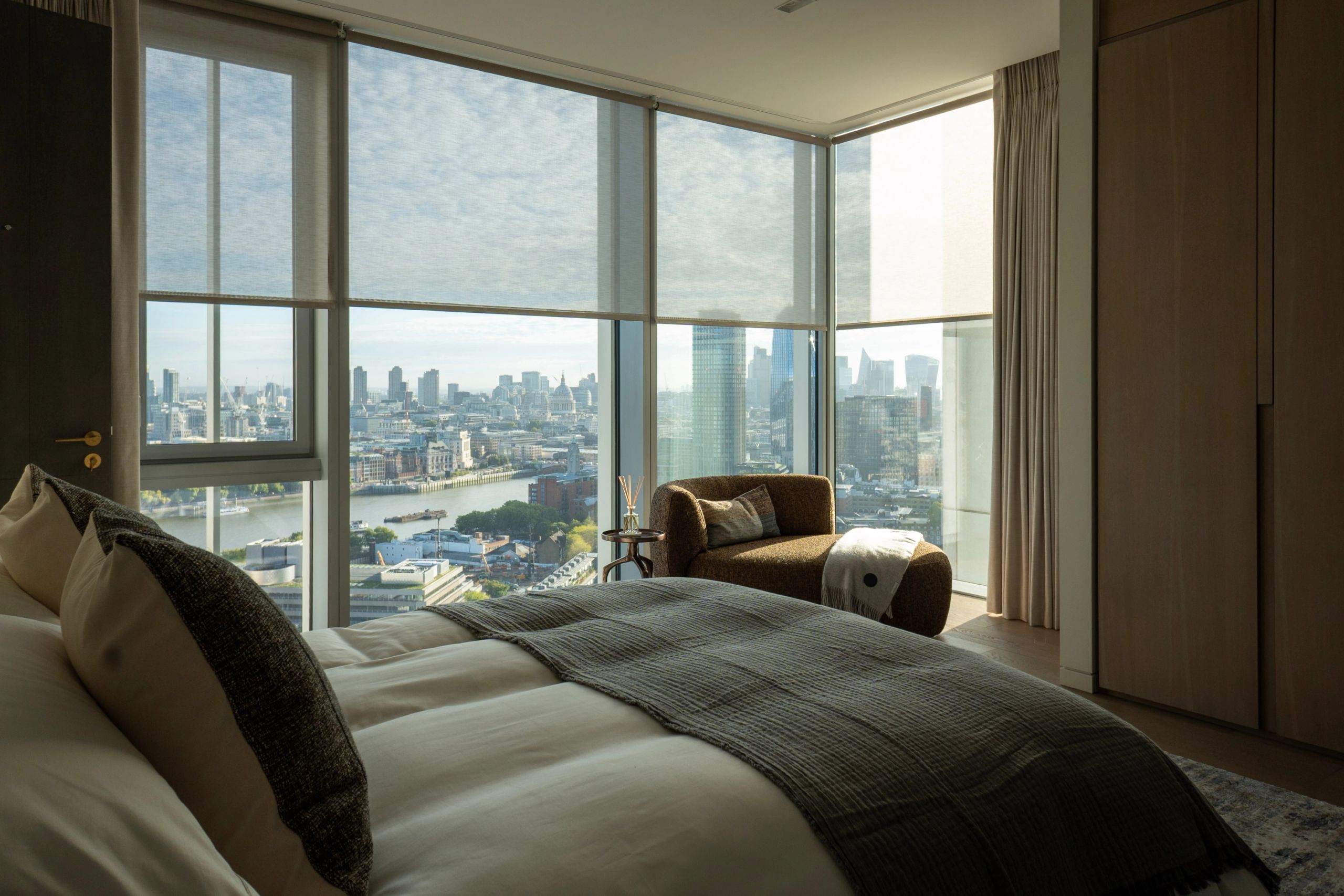
Consider a typical south- or west-facing room with expansive architectural glazing. On a bright spring morning, you leave the house with the blinds raised to enjoy the view. By midday, intense solar heat is pouring through the glass.

By the time you return in the evening to pull the cords manually, hours of peak UV exposure have already occurred. This passive, cumulative degradation happens day after day. Relying on manual operation means your furniture is only protected when you are physically there to anticipate the weather—a reactive approach that inevitably leads to accelerated wear.

The Automated Alternative:

Proactive Asset Protection

Intelligent shading systems change the paradigm from reactive to proactive. When integrated into a centralized ecosystem like Lutron HomeWorks, automated shades operate independently of human intervention, utilizing three core layers of intelligence:

Astronomical Timeclocks & Sun Tracking

Advanced systems do not rely on simple timers. Instead, they utilize GPS coordinates and astronomical data to track the precise angle of the sun relative to your specific windows, shifting dynamically through the solstices and equinoxes.

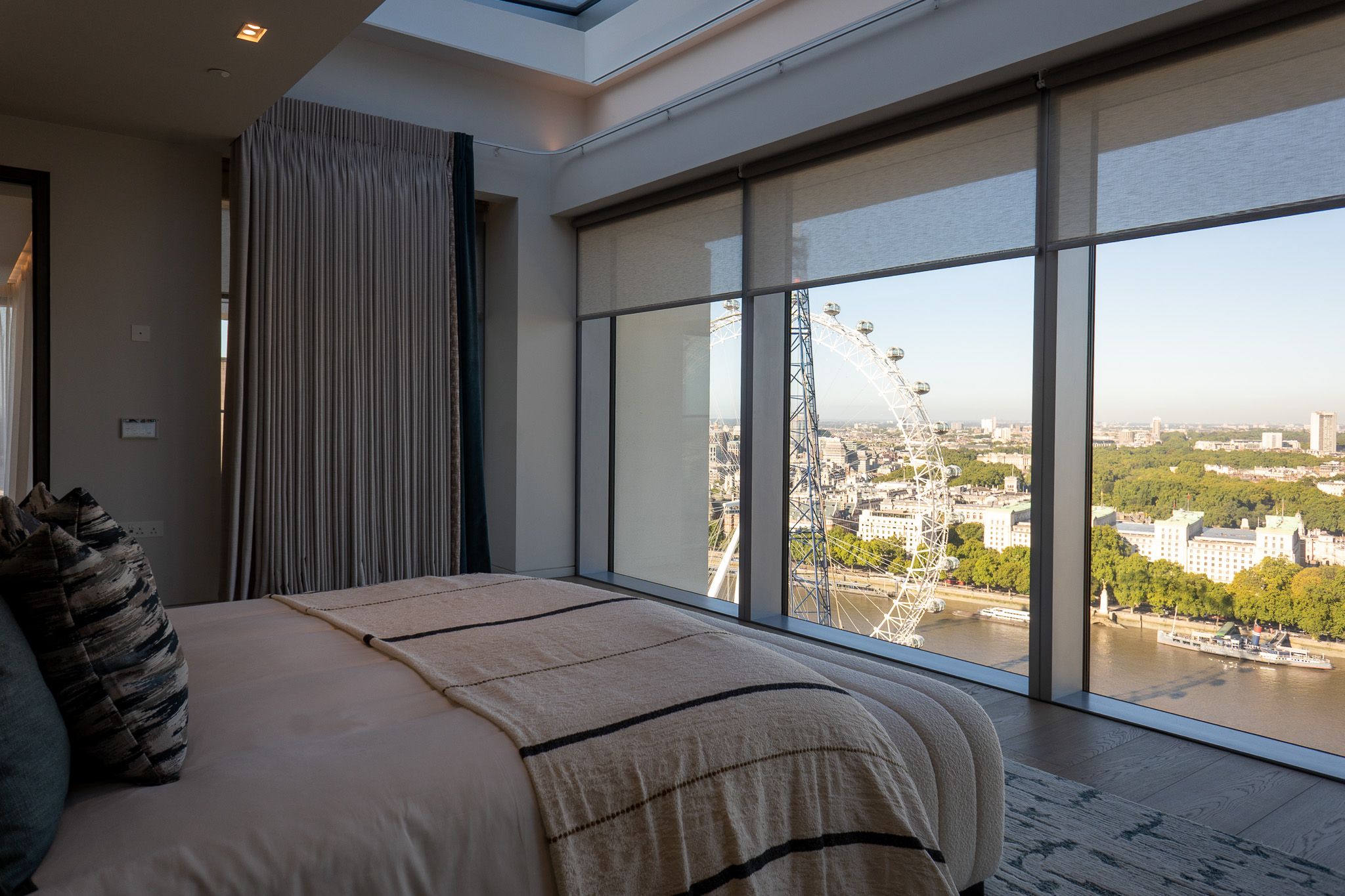
Through features like Lutron’s Natural Light Optimisation, shades calculate exactly when solar penetration will hit vulnerable interior surfaces. They lower themselves incrementally to block direct glare and UV rays, then raise themselves once the sun moves past the facade.
Temperature and Solar Sensors

On unseasonably hot days, discrete external or internal solar sensors detect thresholds of high radiant heat. The system can override standard schedules to lower the blinds prematurely, dropping the thermal load on the room, protecting structural joinery from warping, and significantly reducing the strain on your HVAC system.

Vacation and Away Modes

When a property is vacant—whether for a weekend trip or months at a time—manual shades present a dilemma: leave them closed and live in darkness, or leave them open and sacrifice the interior.

An automated system shifts into a dedicated "Away" footprint. It seamlessly manages light levels to protect assets from solar bleaching while periodically moving shades to maintain a lived-in appearance for security purposes.

Architectural Elegance Meets Preservation

Historically, the argument against motorised blinds was aesthetic; bulky motors and visible wires compromised clean architectural lines.

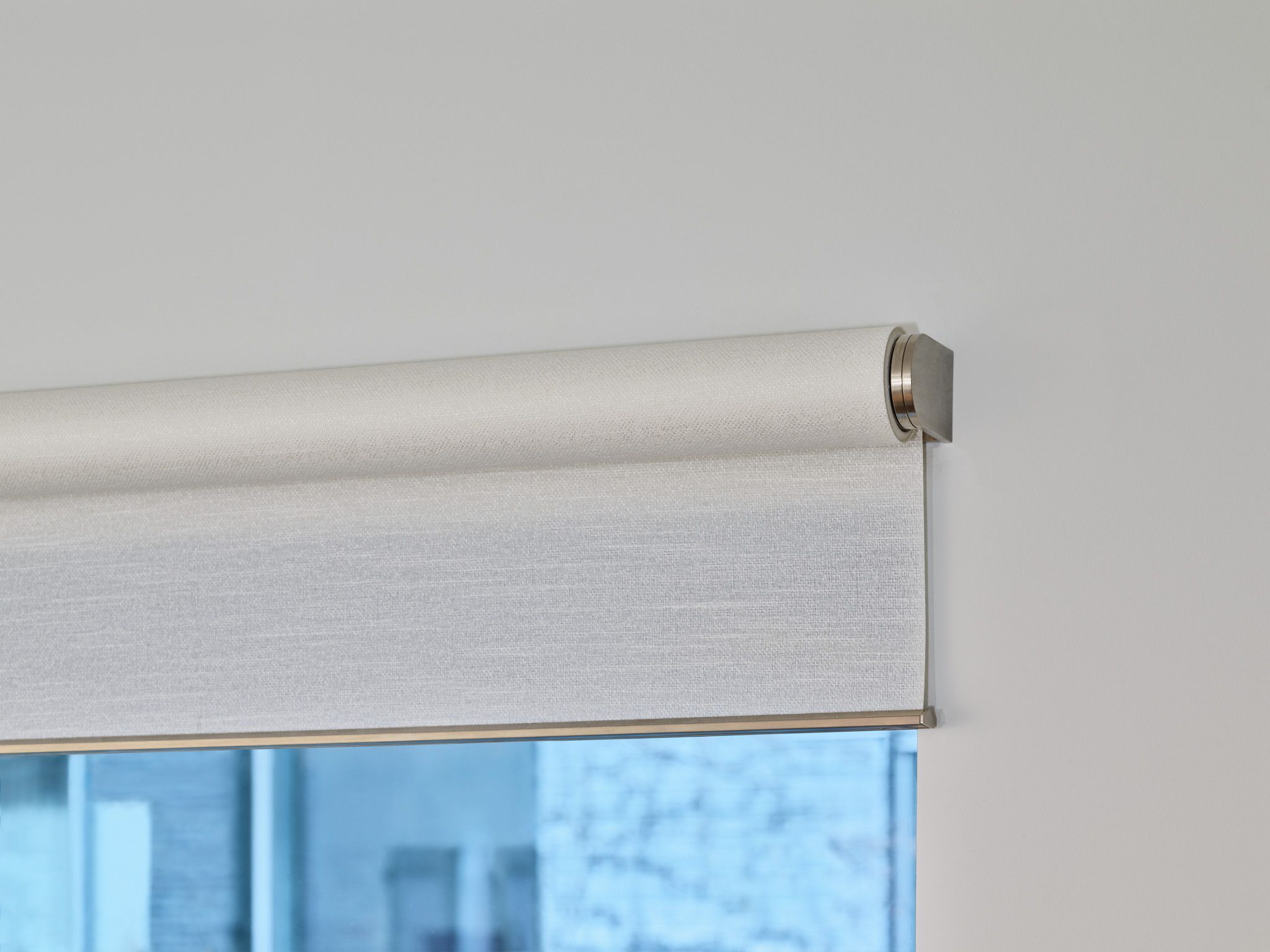
Modern engineering has erased this compromise. Systems like Lutron Palladiom are designed to be explicitly seen as architectural hardware. With slim, carbon-fiber cores and hand-finished metallic brackets (available in finishes like Aged Bronze and Matte Graphite), they fit seamlessly into minimal, pelmet-free designs.

Furthermore, with Intelligent Hembar Alignment, multiple motorized shades move in absolute, mathematical synchronicity—retaining a uniform line within 3.18 mm across an entire glass facade. You achieve absolute preservation of your interior design without compromising the structural look of the space.

Ready to transform your space?

Tell us about your project and we'll come back to you with ideas — no obligation, just a conversation about what's possible.