

South Bank Penthouse
A complete smart home retrofit overlooking the Thames — lighting, shading, control and network, without rewiring the existing fittings.
A penthouse overlooking the Thames on the South Bank needed its end-of-life iLight lighting control system replaced. Modal AV removed the original iLight controllers, retained the existing DALI luminaires throughout the apartment, and installed Lutron HomeWorks QSX driving 30 Palladiom keypads and approximately 78 DALI groups. Crestron Home OS 4 on a CP4-R processor took over the wider automation, with Lutron Sivoia QS roller blinds joining the same control surface. HVAC was integrated to the building's Sauter ecos 504 controller over BACnet/IP. A Ubiquiti UniFi network on a UDM Pro with Wi-Fi 7 underpins the lot.
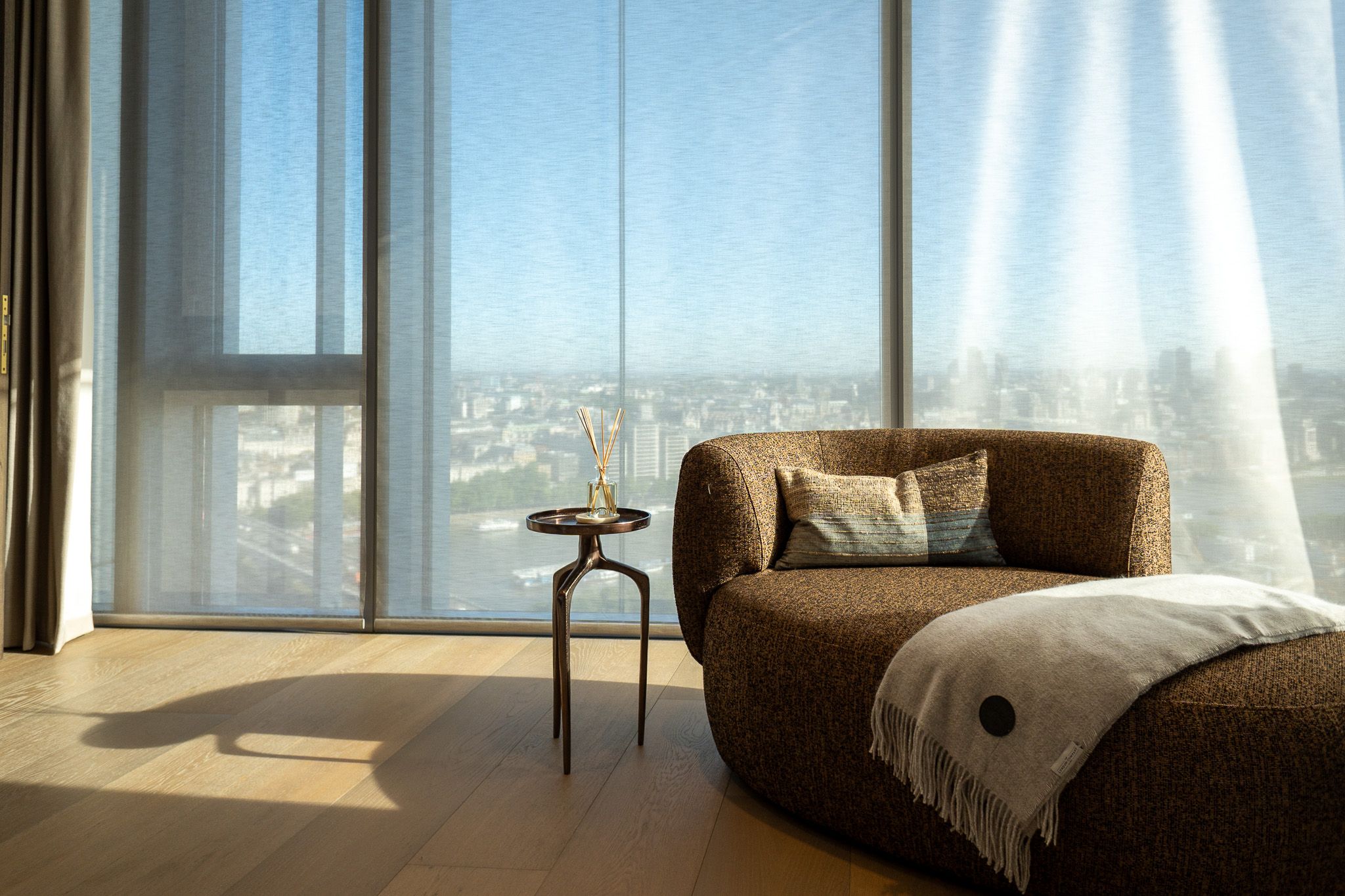
About this project
The brief
The owners of a Thames-facing penthouse on the South Bank had lived with a developer-installed iLight lighting control system for years. It worked — until it didn't. Scenes had drifted. A few keypads were intermittent. A handful of zones would no longer dim smoothly. The system was reliable enough that nothing felt urgent, and unreliable enough that nothing felt right.
When Signify announced in May 2025 that iLight had been transitioned to Dynalite, the conversation moved from "if" to "what next". The brief was straightforward in principle: bring the apartment up to the standard the owners had originally expected, without disturbing the existing luminaires or rewiring the building.
Less obvious in the brief, but central to the work, were three quieter constraints. The apartment had to integrate cleanly with the building's HVAC system, which is managed centrally. The shading needed to work with existing cabling. And the homeowners wanted a single, calm interface — not three different apps.
Curious about the decision to choose Lutron over the Signify-recommended Dynalite migration path? We've written a full guide: Replacing your iLight system.
Room by room
The penthouse was empty for the duration of the works, which is the right environment for a project of this scope. Below is how the space hands itself over to the new system, room by room.
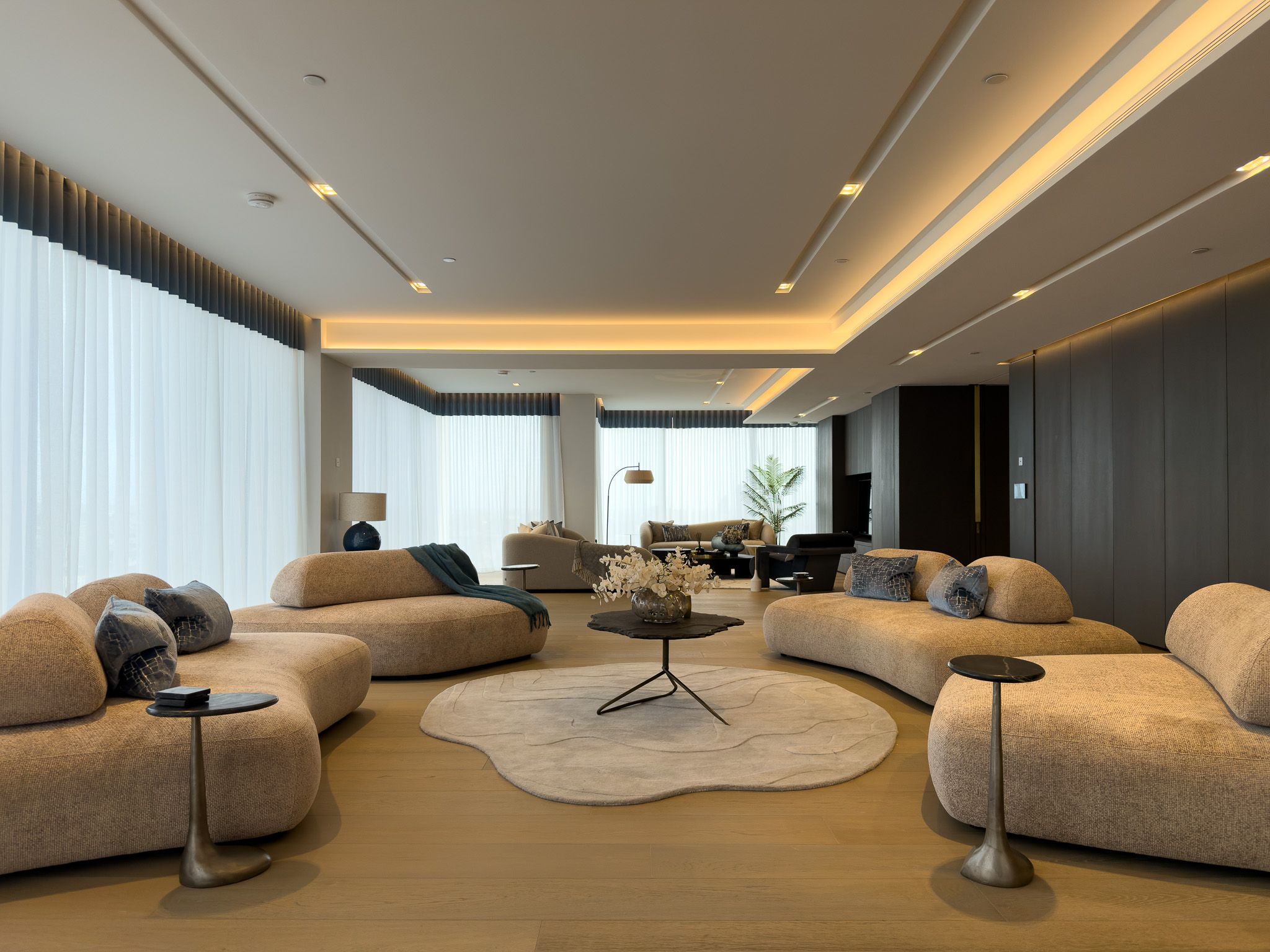
Living and reception
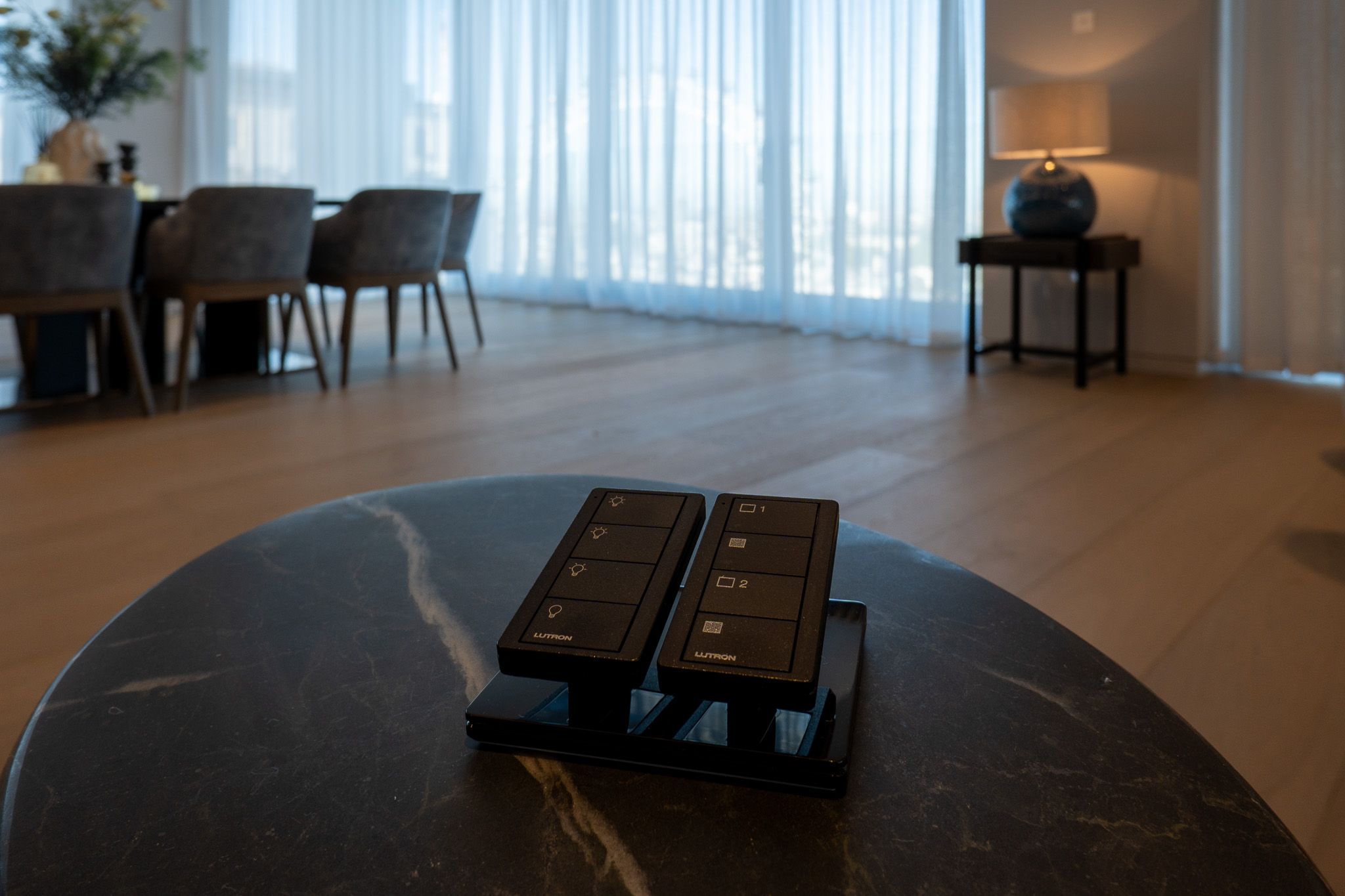
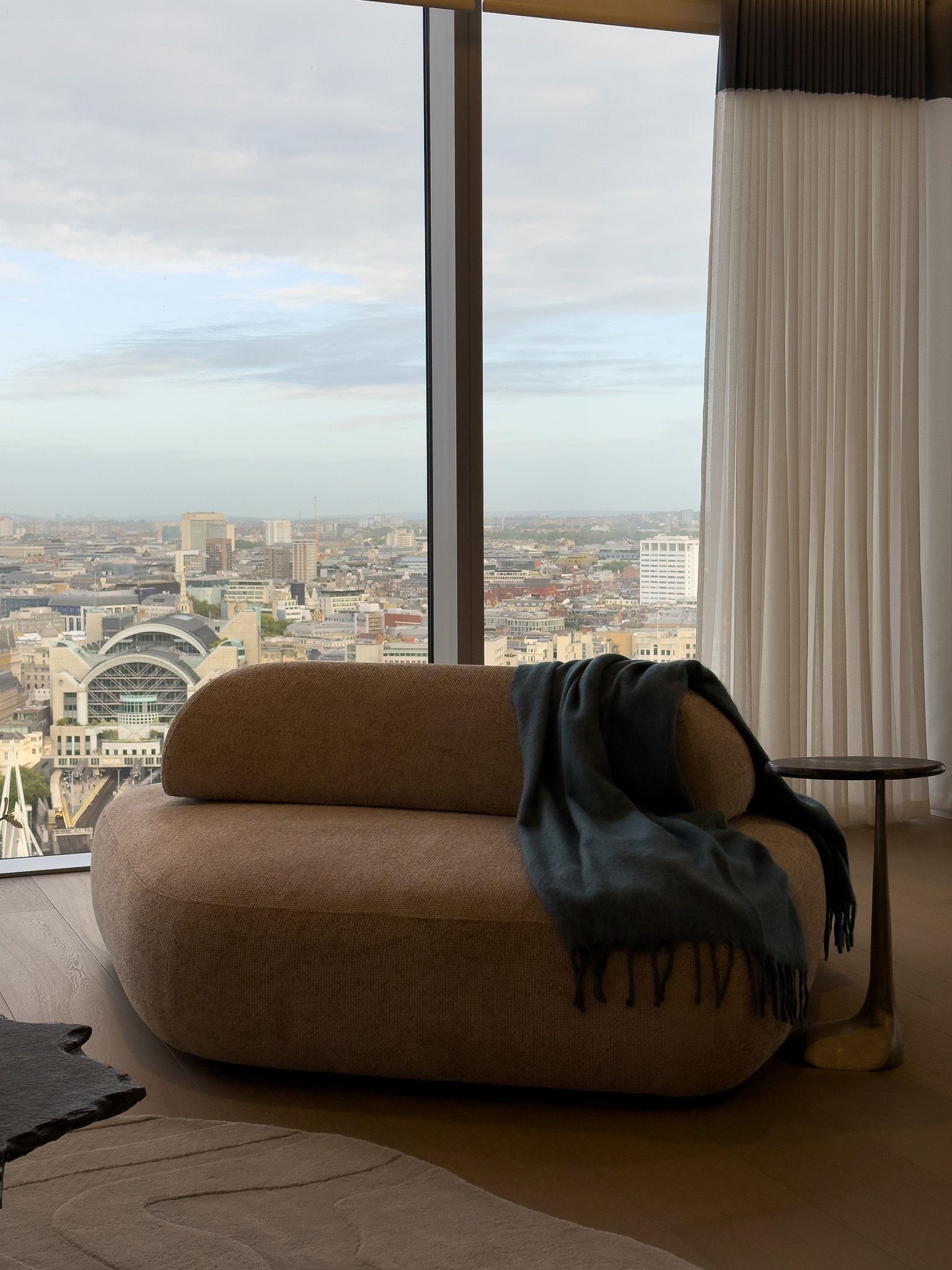
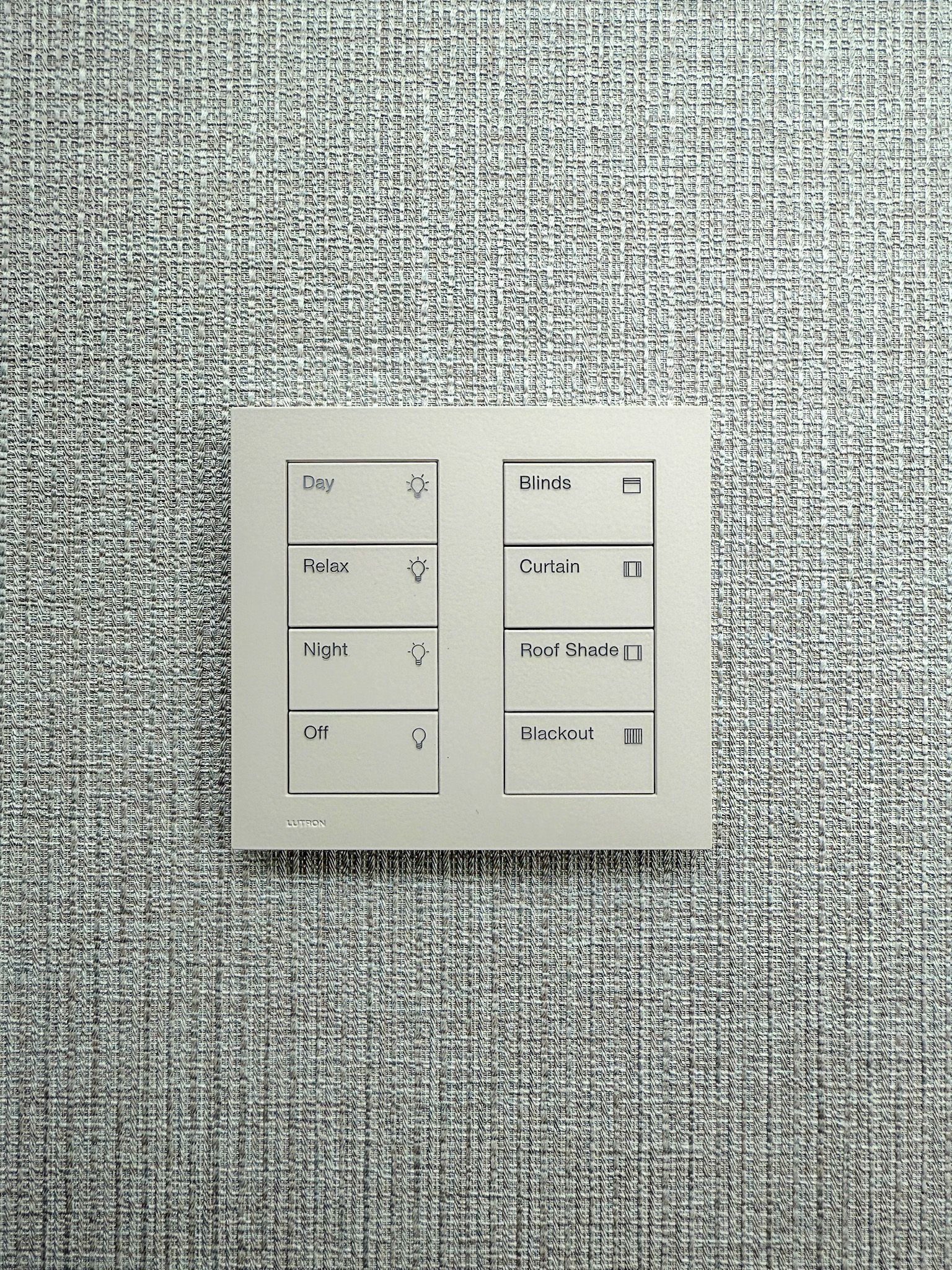
The principal entertaining space — open-plan living, dining and kitchen with floor-to-ceiling windows over the Thames — sets the tone. Lutron Palladiom keypads in a single finish appear at every threshold, presenting four to six scene buttons each. Existing DALI downlights, cove lighting and feature pendants are now driven from Lutron DALI Power Modules on DIN rail in the plant room. Sivoia QS roller blinds across the river-facing glazing are recalled from the same keypad press as the lights, so a single "Evening" scene lowers the blinds, warms the downlights, and lifts the cove lighting in one move. The Crestron Home app surfaces the same scenes on the homeowner's phone.
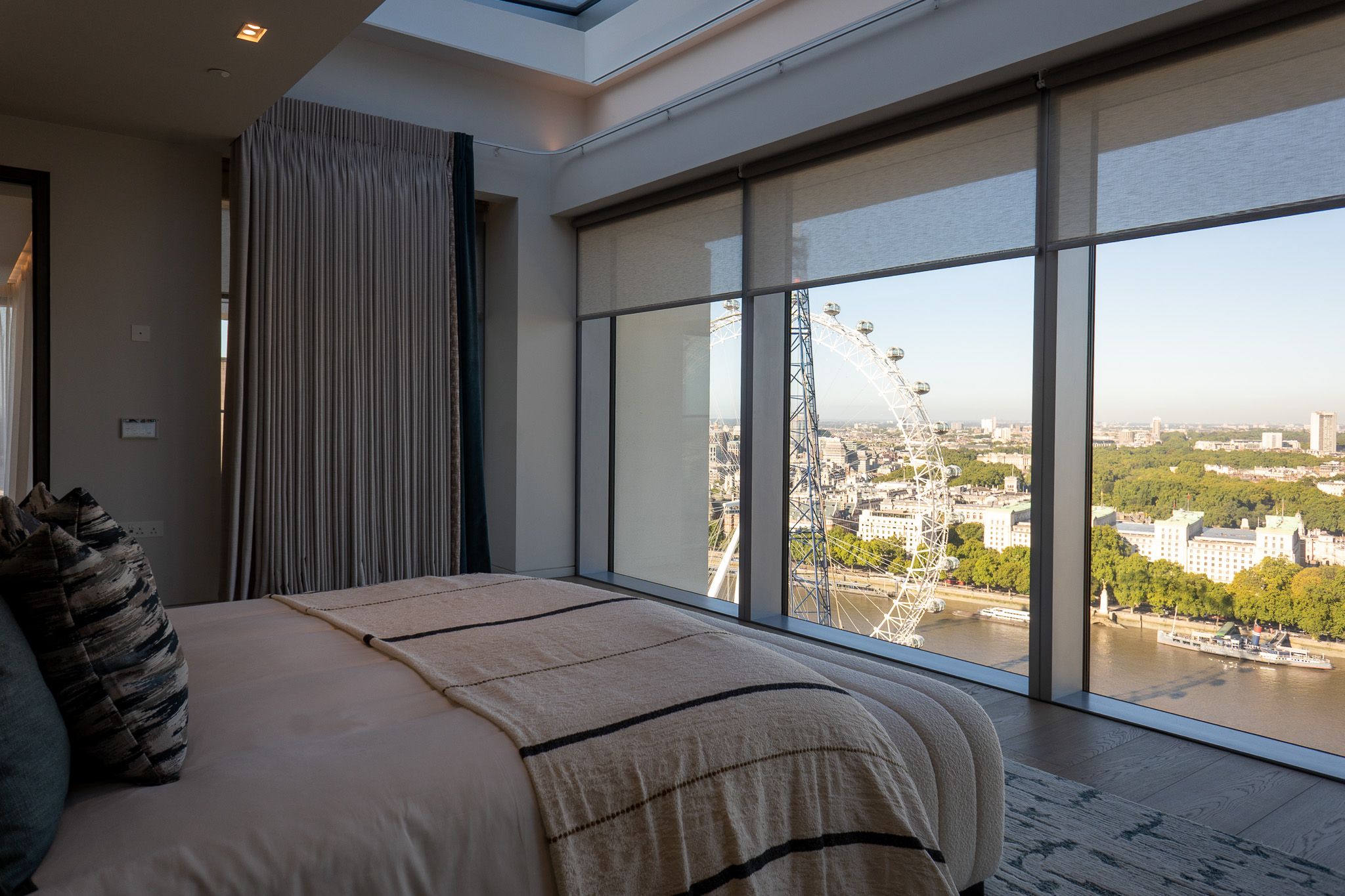
Principal bedroom and ensuite
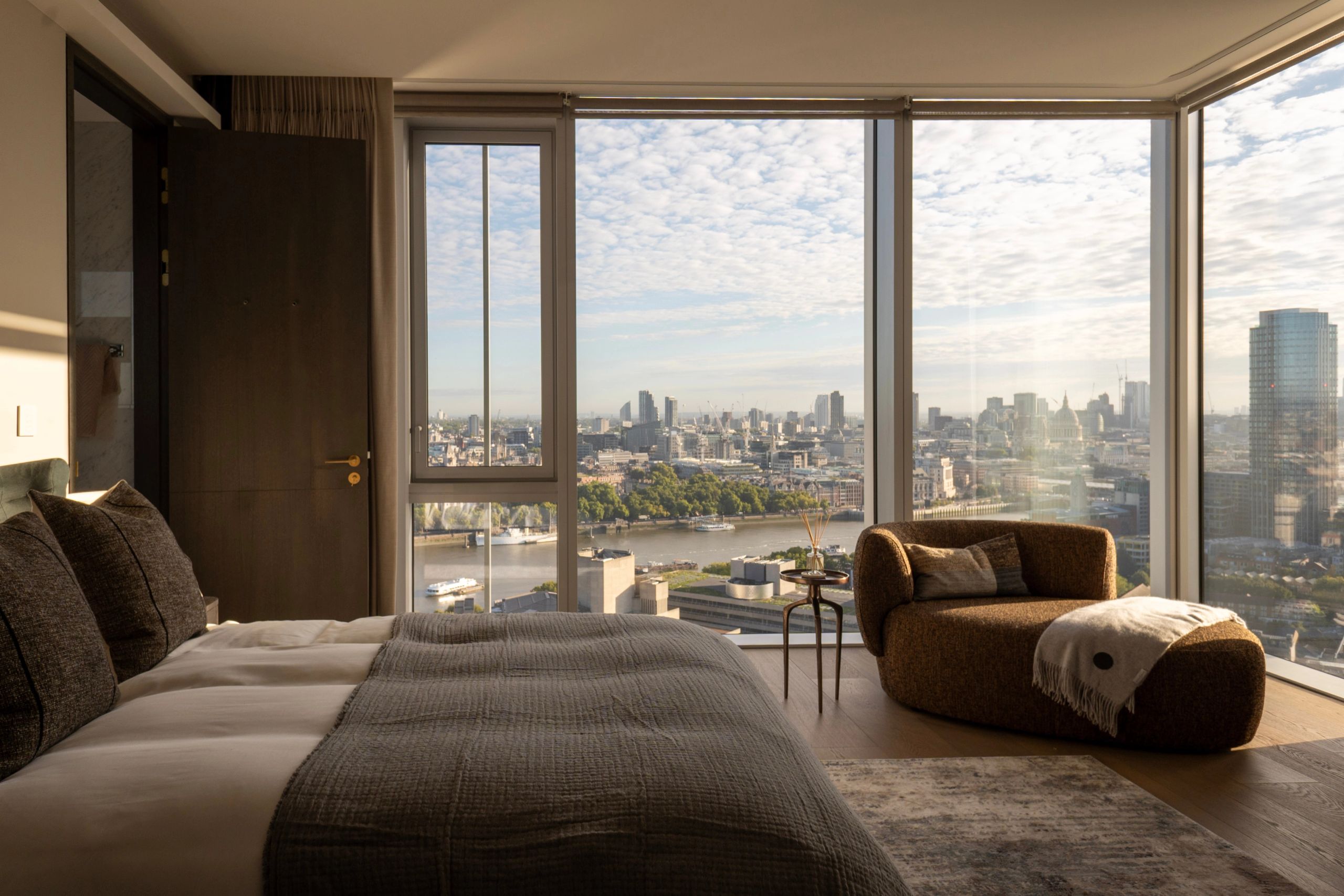
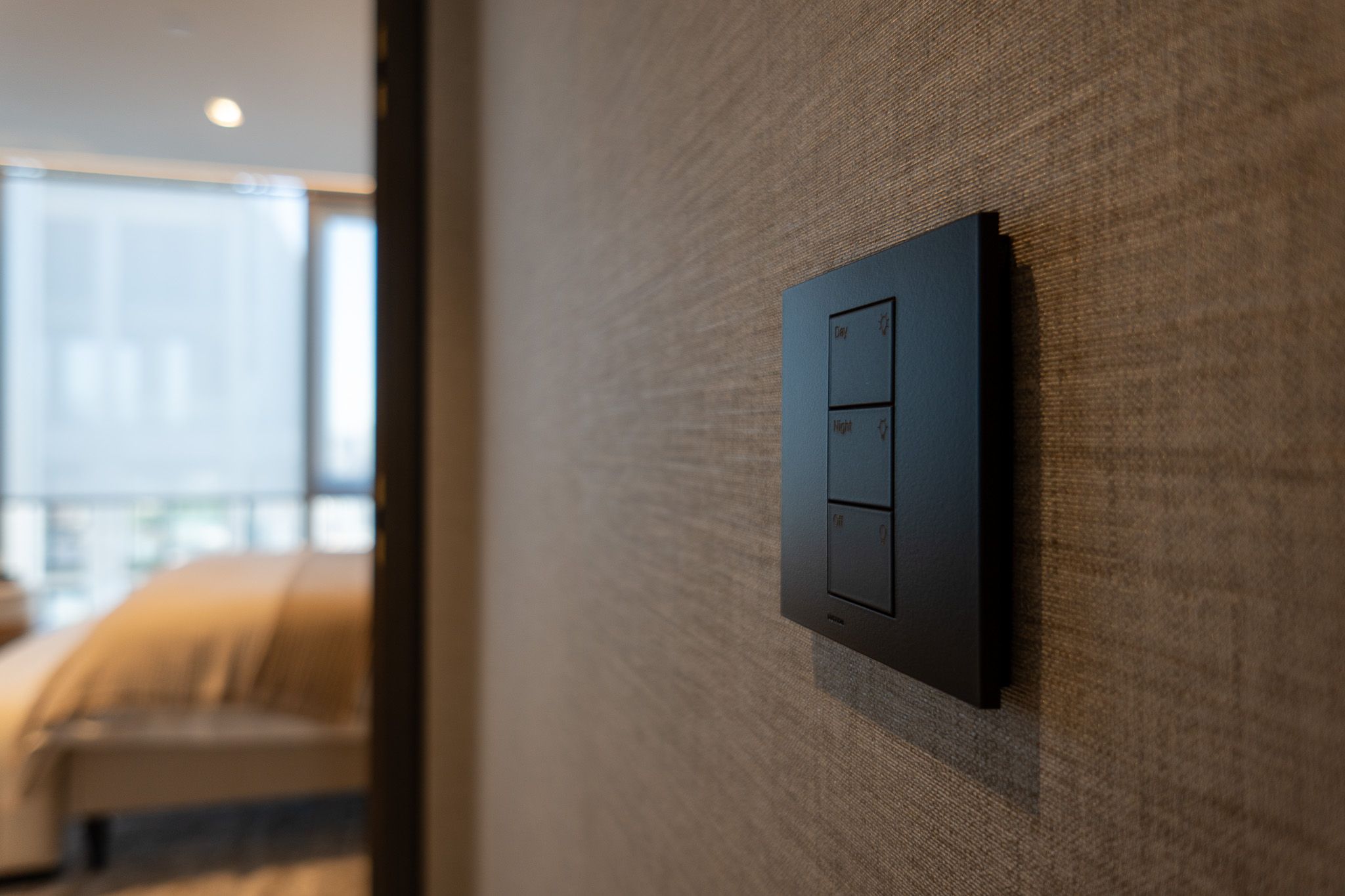
A discrete pair of Palladiom keypads sits at each bedside, presenting "Reading", "Night", "Off" and a single dim/raise control. The blinds and lighting move together. The bathroom mirror lighting is on its own DALI tunable-white channel, so the morning scene gives a cooler, brighter light at the basin without disturbing the bedroom. A Crestron Home in-wall touchpanel sits inside the dressing room for less-frequent settings.
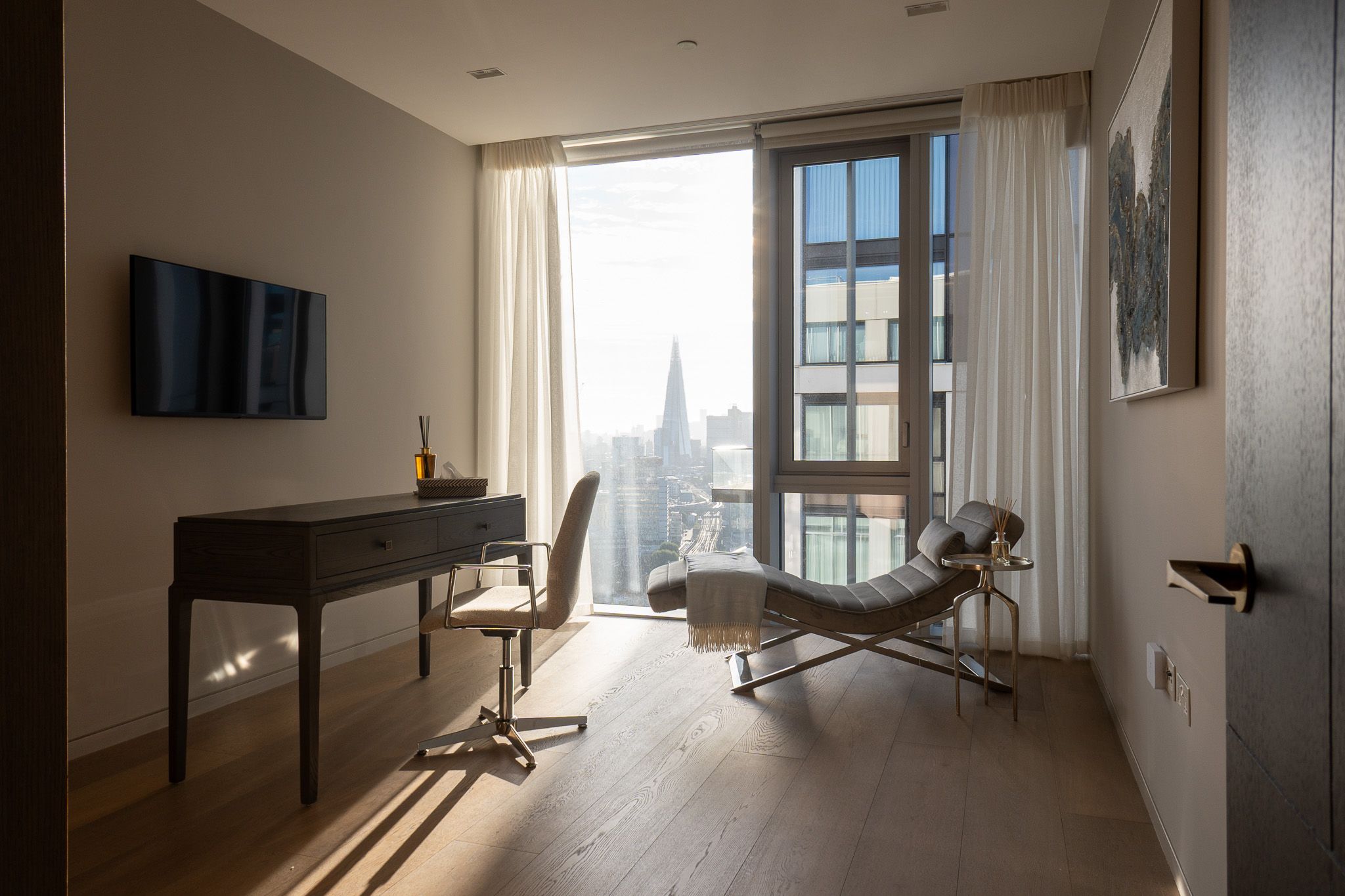
Guest bedrooms and study
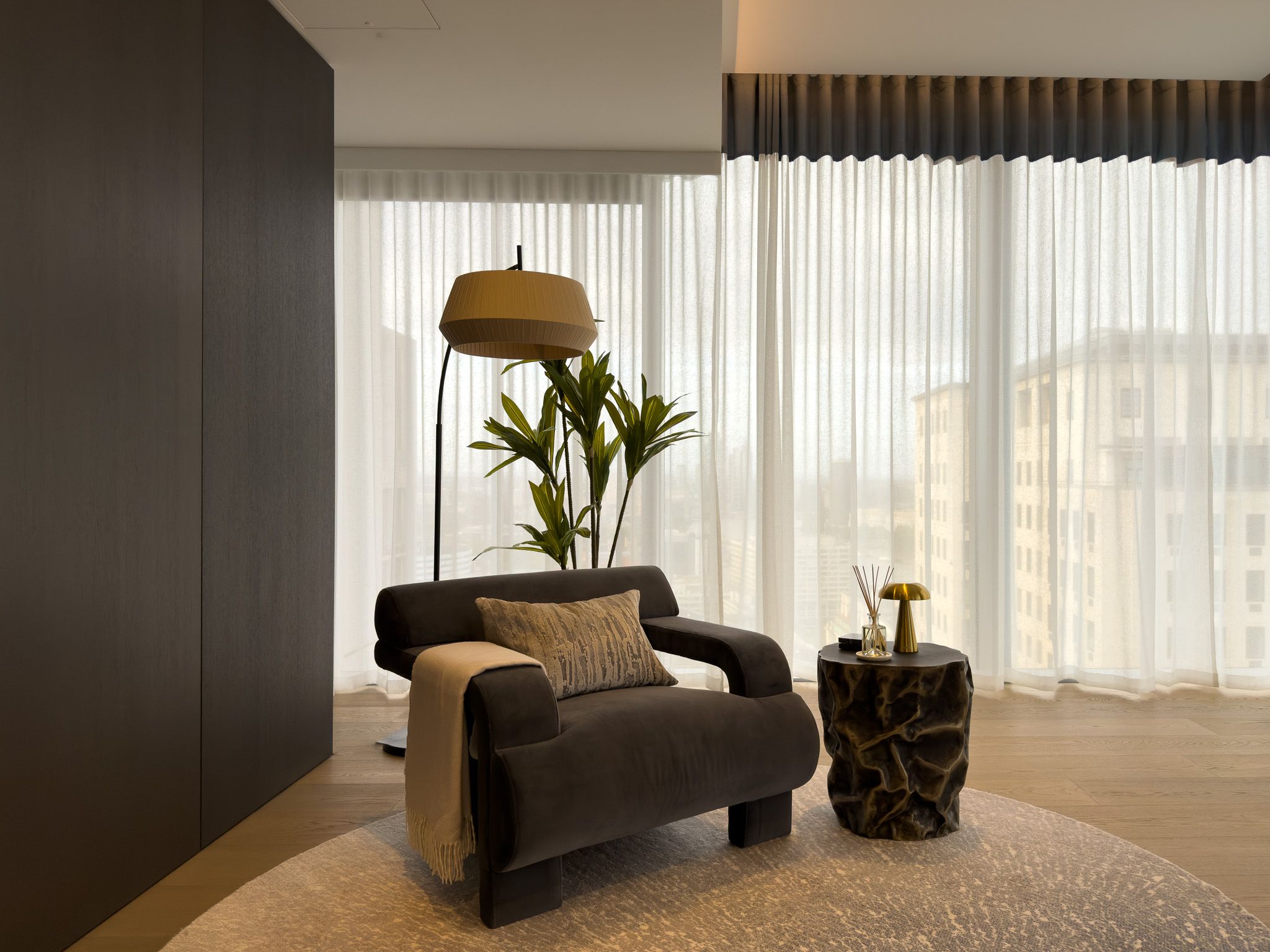
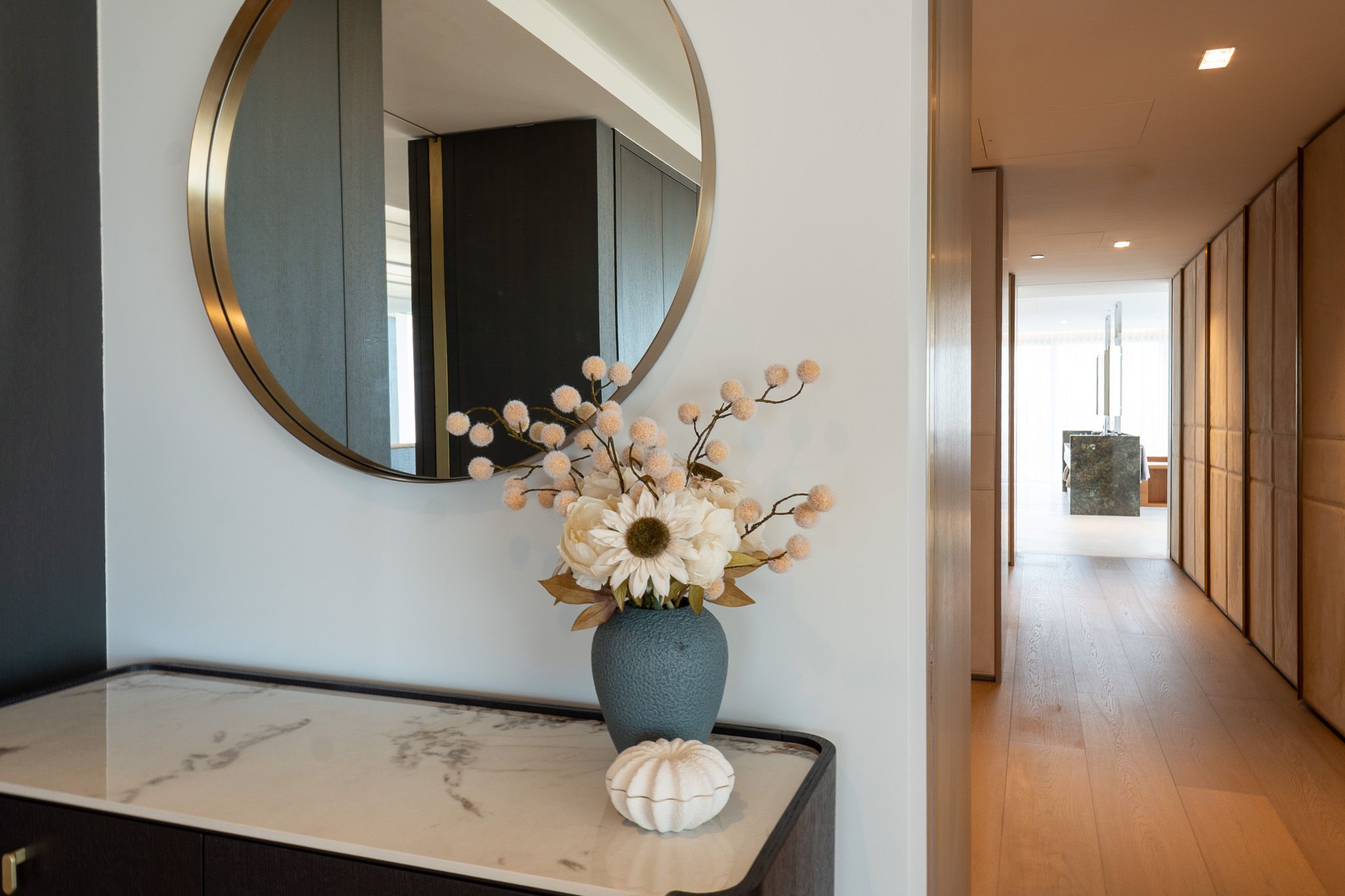
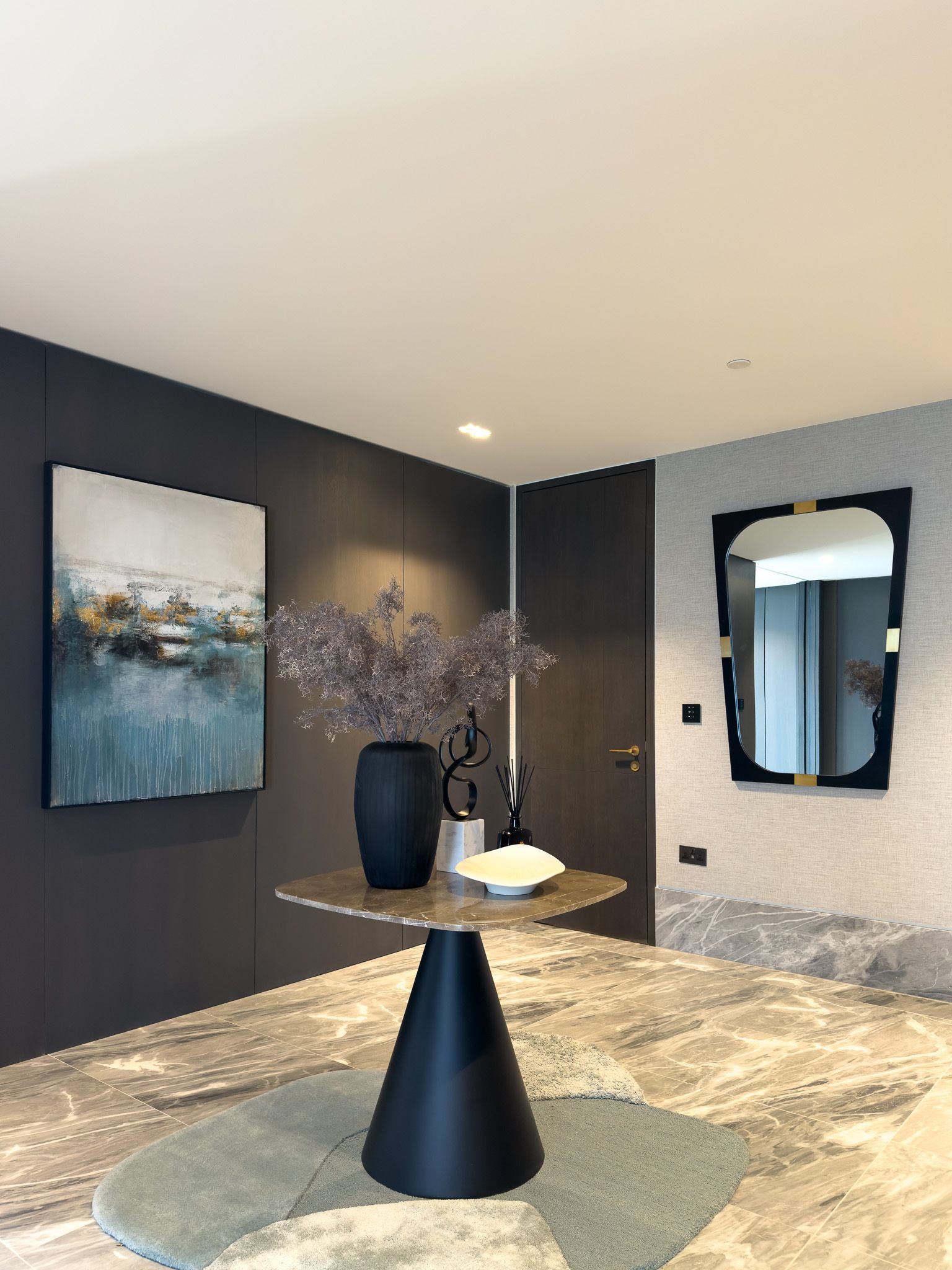
Each guest bedroom and the study mirrors the keypad layout of the principal — same finish, same scene language, same Crestron Home access — so guests don't need a briefing. Lighting is local, blinds are local, and any "house-wide" scene from the entry hallway will set every room appropriately when the owners are out.
Kitchen and utility
Worktop lighting, pendants, the island, and the utility cupboard are each separately controllable on the same DALI bus. A small two-button keypad at the door covers "On" and "Off"; the longer scenes are surfaced from the adjacent living-room keypad and the Crestron Home app. Cooking, prepping and serving each have a default look.
Terrace and winter garden
The terrace and winter garden lighting — architectural uplights, planter lights, and an overhead feature run — is controlled from the living-room keypad and from the Crestron Home app. The river-facing aspect means the terrace is rarely used in full sunlight, so the scenes tilt towards dusk, dinner, and after-dark. A separate astronomical time-clock schedule keeps low-level architectural lighting on overnight at a discreet level, with the option to override.
Plant, rack and entry
The plant room houses the Lutron HomeWorks QSX processor, DALI Power Modules, the Crestron CP4-R processor, the Ubiquiti UDM Pro and core switch, and a clearly labelled patch field. The rack was pre-built and pre-tested off-site, then installed and commissioned on the property. Labelling follows the building's existing convention so that future engineers — Modal AV's or otherwise — can read the rack like a book.
Working with the project team
This was a project led by an interior designer and supported by an M&E consultant, in close coordination with the building's management. Modal AV's role was to provide the smart home design, supply, installation, commissioning and aftercare, working to the lighting brief from the original lighting designer and to the look agreed between the interior designer and the homeowners.
A project of this kind succeeds or fails on coordination. The first conversation with the M&E consultant happened months before the rack was assembled — confirming spare conduit capacity, agreeing BACnet object boundaries with the building, and aligning on the placement of the new plant within the existing space. The first conversation with the interior designer happened the same week — finalising keypad finishes, plate counts per location, and how to terminate the visible end of every new run discreetly.
From survey to handover
Survey and feasibility1
A full survey of the existing iLight system, the DALI driver inventory, the apartment's data and AV infrastructure, and the building's HVAC controller and BACnet structure.
Design2
System architecture, DALI group plan, keypad scene language, BACnet object schedule, network topology. Coordinated with the interior designer and M&E consultant.
Coordination3
RIBA-stage-aligned drawings issued to the project team. Agreement on rack location, conduit allocation, and BACnet boundaries with the building's management.
Off-site rack build4
The processor, DALI modules, network core and patch field were assembled and pre-tested off-site, reducing on-site time and on-site risk.
Installation5
Strip-out of the legacy iLight controllers, installation of the new rack, keypad replacements, blind motor commissioning, and network deployment. Apartment was empty throughout.
Commissioning6
DALI addressing, scene programming, BACnet point mapping with the building's BMS engineer, Wi-Fi tuning, and end-to-end test of every keypad and every scene.
Handover and training7
A walkthrough of the system with the homeowners and their housekeeper, supported by a printed quick-reference guide and a phone number that reaches a person rather than a portal.
Aftercare8
Quarterly remote checks, an annual on-site service visit, and a direct line for change requests under Modal AV's SMARTmaintenance programme.
Aftercare
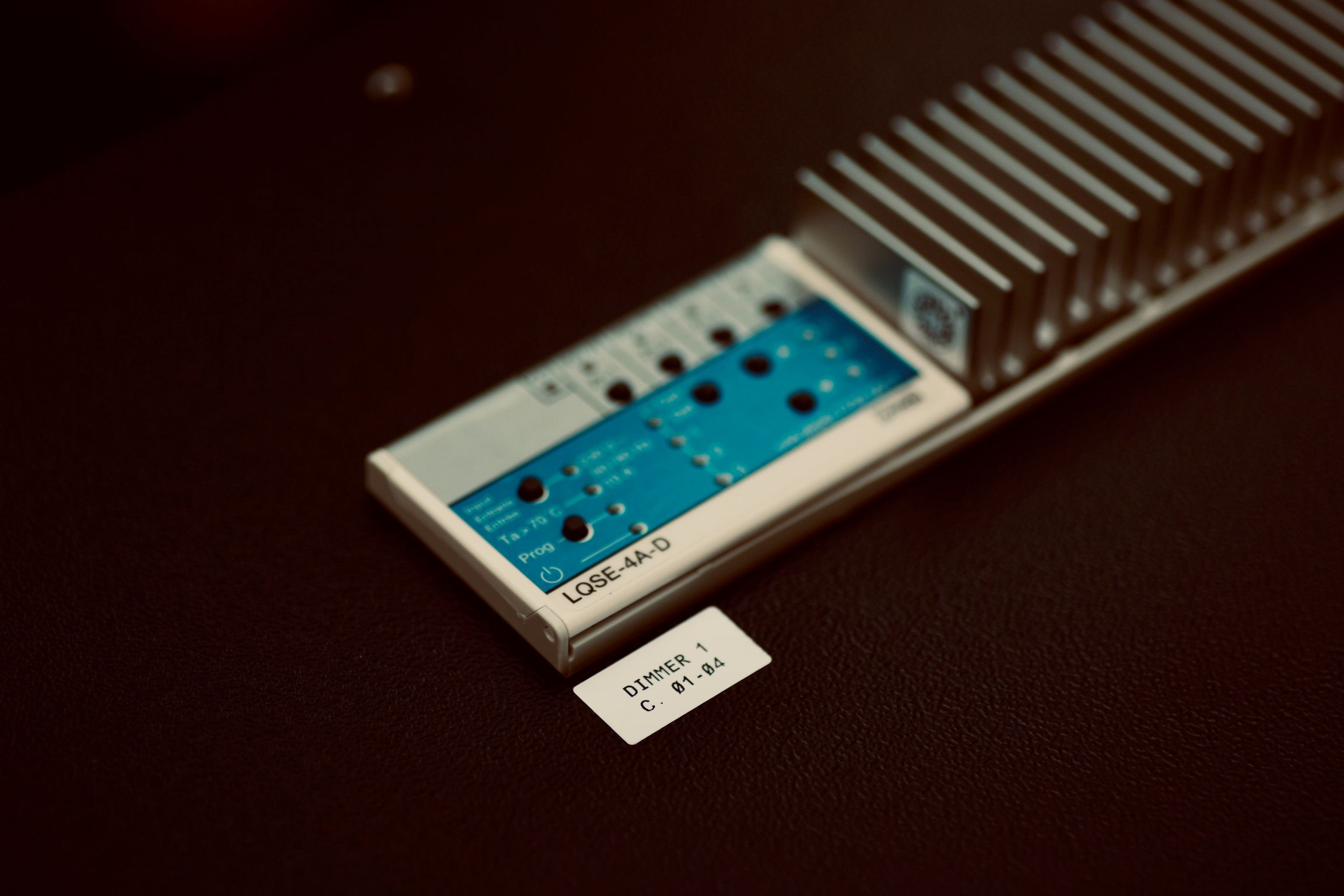
A smart home that is correctly designed and correctly commissioned should be largely uneventful. Where things change over time is rarely the system itself — it's the way the household uses it. A scene that was right in the first month is sometimes wrong by the second year, simply because the homeowners use a room differently than they expected to.
This project is supported by Modal AV's SMARTmaintenance programme. Quarterly remote checks confirm that the lighting controllers, the Crestron Home processor, the BACnet bridge and the network are all behaving. An annual on-site visit picks up firmware updates, refreshes the documentation against any change requests, and offers a chance to refine scenes that have drifted from how they are actually used. Change requests in between are scheduled with a human, not logged into a portal.
Considering a similar retrofit?
If you live with an iLight system that has started to drift, or you are planning a refurbishment of a central London apartment and want the lighting and control to feel right from day one, we would be glad to talk.
Specifying for a client?
Architects, interior designers and M&E consultants are welcome to request a technical project summary, and to bring us in at concept or developed-design stage.
The Brief
Our Solution
The principle behind the work was to replace what had aged without disturbing what hadn't. The luminaires throughout the apartment had been chosen carefully when the property was first fitted out — DALI drivers, considered placement, properly specified colour temperatures. Those stayed. What changed was the part of the system that had reached end of life: the iLight control modules in the plant room, and the keypads on the walls.
In their place, we built a three-layer system. The first layer is Lutron HomeWorks QSX, which now drives every light in the apartment over the existing DALI infrastructure, with 30 Palladiom keypads as the tactile interface and Lutron Sivoia QS roller blinds joining the same control surface. The second layer is Crestron Home OS 4 on a CP4-R processor, which sits above the lighting and shading and provides the wider orchestration — scenes that span lighting, shading, climate, audio and access on a single touch. The third layer is the network: a Ubiquiti UniFi infrastructure on a UDM Pro with Wi-Fi 7 access points, properly segmented so that AV, control, IoT and guest devices each live in their own VLAN.
Above all of this sits the building. The Crestron CP4-R speaks BACnet/IP natively to the building's Sauter ecos 504 HVAC controller, so the homeowner's interface respects the freeholder's authority over plant. The apartment behaves like a well-run guest in its own building — comfortable, capable, but never trying to do something the building itself should do.
Products Used
LutronHomeWorks QSXLighting Control
LutronLutron PalladiomLighting Control
LutronLutron Sivoia QS roller blinds (RF Clear Connect Type X, cable-powered motors)Shading / Blinds
CrestronCP4-R running Crestron Home OS 4Control System
UbiquitiUDM ProNetworking
UbiquitiU7-Pro-WallNetworking
The Result
The apartment now does what it was always meant to do. Scenes recall reliably across every room. Keypads feel as deliberate as the rest of the interior. The blinds and lights move together, the climate respects the building, and the homeowners reach for a single Crestron Home app instead of three. The plant room is quiet, labelled and serviceable. The legacy iLight system, with its drifted scenes and intermittent keypads, has gone — and the existing luminaires, which were always good, are still doing the work they were specified for.
Client Testimonial
“Modal AV worked carefully with our design team from the first conversation through to handover. The result feels considered, not engineered — the keypads sit naturally in the spaces, and the homeowners use the system the way we hoped they would.”
Interior designer on the project

Ready to transform your space?
Tell us about your project and we'll come back to you with ideas — no obligation, just a conversation about what's possible.
