

Existing Modal AV Client
Report an issue through the support portal so the team can record the affected system, review the available project information and direct it appropriately.
When integrated technology stops working as expected, you need a clear route from fault to next action.
Modal AV provides planned maintenance, remote assistance and on-site support for automation, audio visual, lighting, security and network systems. We support our own installations and can assess compatible systems installed by others.
The most useful first step depends on who installed the system, what is happening and what information is available.
Report an issue through the support portal so the team can record the affected system, review the available project information and direct it appropriately.
If the original installer is unavailable or the system lacks clear documentation, begin with a review of its equipment, access and condition.
If the system is operating but needs a clearer maintenance plan, tell us what is installed and how the space depends on it.
The right response depends on the system, the fault and whether physical testing is required.
Where secure remote access is available and appropriate, compatible systems can be reviewed without an initial site visit. This may help identify the affected equipment, restore an agreed function or give an engineer better information before attending.
When the issue involves cabling, power, physical equipment or testing within the space, an engineer can attend to diagnose the fault and agree the next action.
A planned review may include equipment checks, backup review, network health, control testing and consideration of applicable software or firmware. The scope should be agreed for the installation rather than assumed from a standard list.
After an initial review, we can explain whether individual service work or an ongoing support arrangement is appropriate.
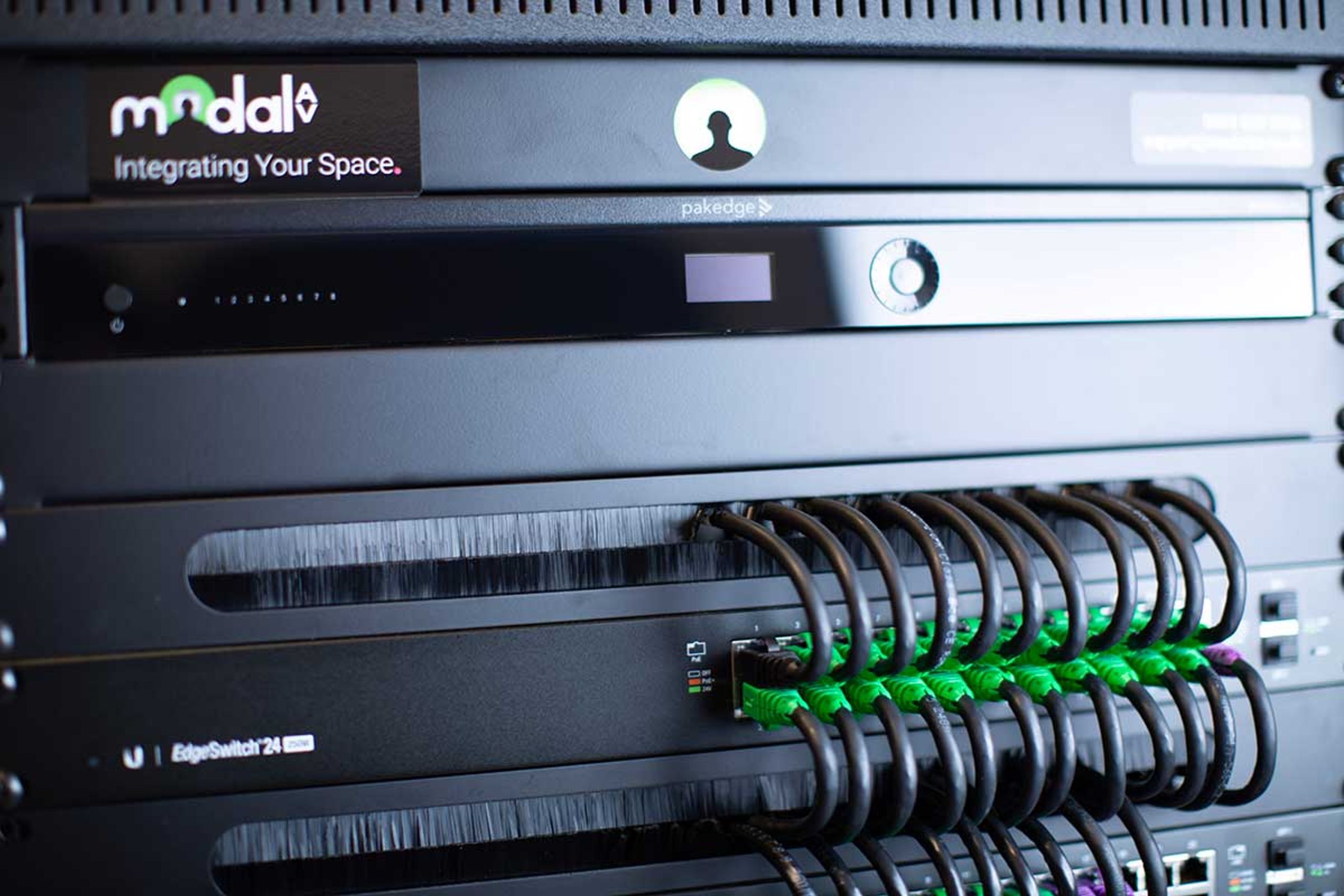
A fault seen on one control can begin elsewhere. Equipment, power, cabling, the network, internet service, programming, user accounts or a third-party platform may all affect the result.
We begin by establishing what is installed, what changed, who has access and which organisations are responsible. Existing drawings, labels, backups, account details and a clear description of the fault can make that assessment more useful.
Integrated technology often involves internet providers, IT teams, manufacturers and other contractors. If the evidence points outside the systems within our responsibility, we explain what was found and which party needs to act next.
Moving an inherited or abandoned system forward starts with access and evidence, not guesswork. We review the installed equipment, programming access, account ownership, available documentation, network dependencies and the condition of the system.
We can then explain what appears supportable, what may be recoverable and where an update or responsible replacement should be considered. Proprietary access, obsolete equipment or manufacturer policy may limit what is possible.
The technology may be similar, but the people, priorities and responsibilities are not.
Support can focus on familiar controls, comfort, entertainment and the routines the household wants restored.
Support planning should consider residents, shared spaces, staff operation, access windows and clear escalation responsibilities.
Service work should be coordinated around operational priorities, internal IT, other contractors and an agreed maintenance window.
Tell us which system is affected, what is happening, when it began and whether anything changed beforehand.
Check the available project information, access, equipment and relevant third-party responsibilities.
Decide whether the appropriate next action is remote assistance, an on-site visit, replacement work or input from another responsible party.
Record the findings, work completed and any further recommendation so responsibilities remain clear.
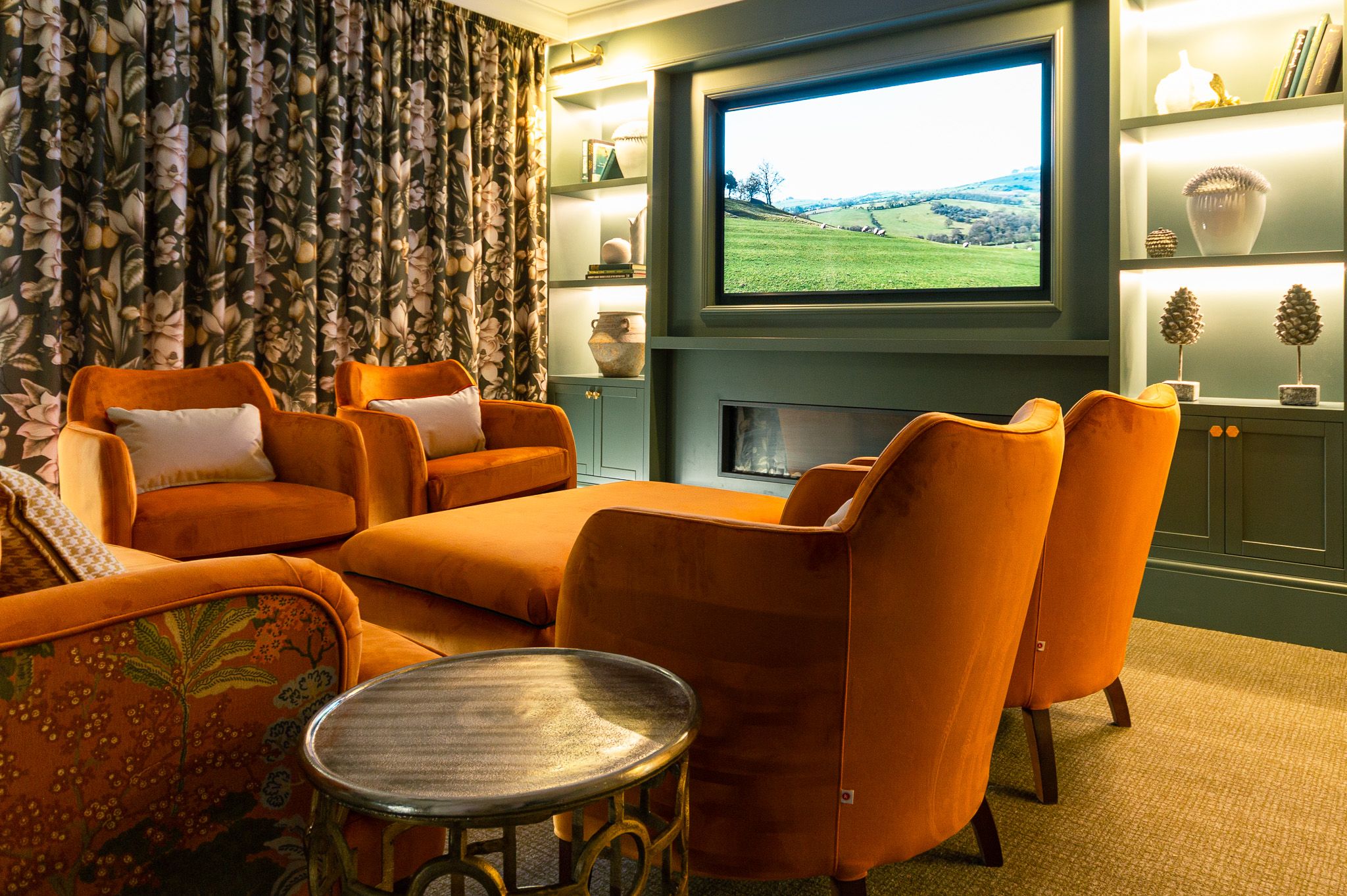
At a Chesham care home, Modal AV delivered 16 zones of audio, a dedicated cinema, straightforward controls and staff training. The published project also records remote support for the integrated systems, showing how operation and long-term support form part of the same system lifecycle.
We can assess compatible systems, but first need to understand the equipment, condition, documentation, account ownership and programming access. The review establishes what can be supported and where limitations or replacement work may apply.
No. Remote assistance depends on compatible equipment, secure access and the nature of the fault. Physical equipment, power, cabling and some commissioning work require an on-site visit.
Not automatically. We consider compatibility, available backups, operational impact and the reason for the update before recommending work.
Tell us what is installed, what is not working, when the issue began and whether anything recently changed. Photos, equipment details, error messages and available documentation can help establish the right first step.
Share the system, the issue and the information you have. We will advise on the most appropriate first step and any access needed before work begins.
Tell us about your project and we'll come back to you with ideas — no obligation, just a conversation about what's possible.
