

Lighting Control
We plan circuits, dimming methods, keypads and scenes around the lighting schedule and the way each room will be used. The scope can cover a single area, a refurbishment or a centralised whole-home system.
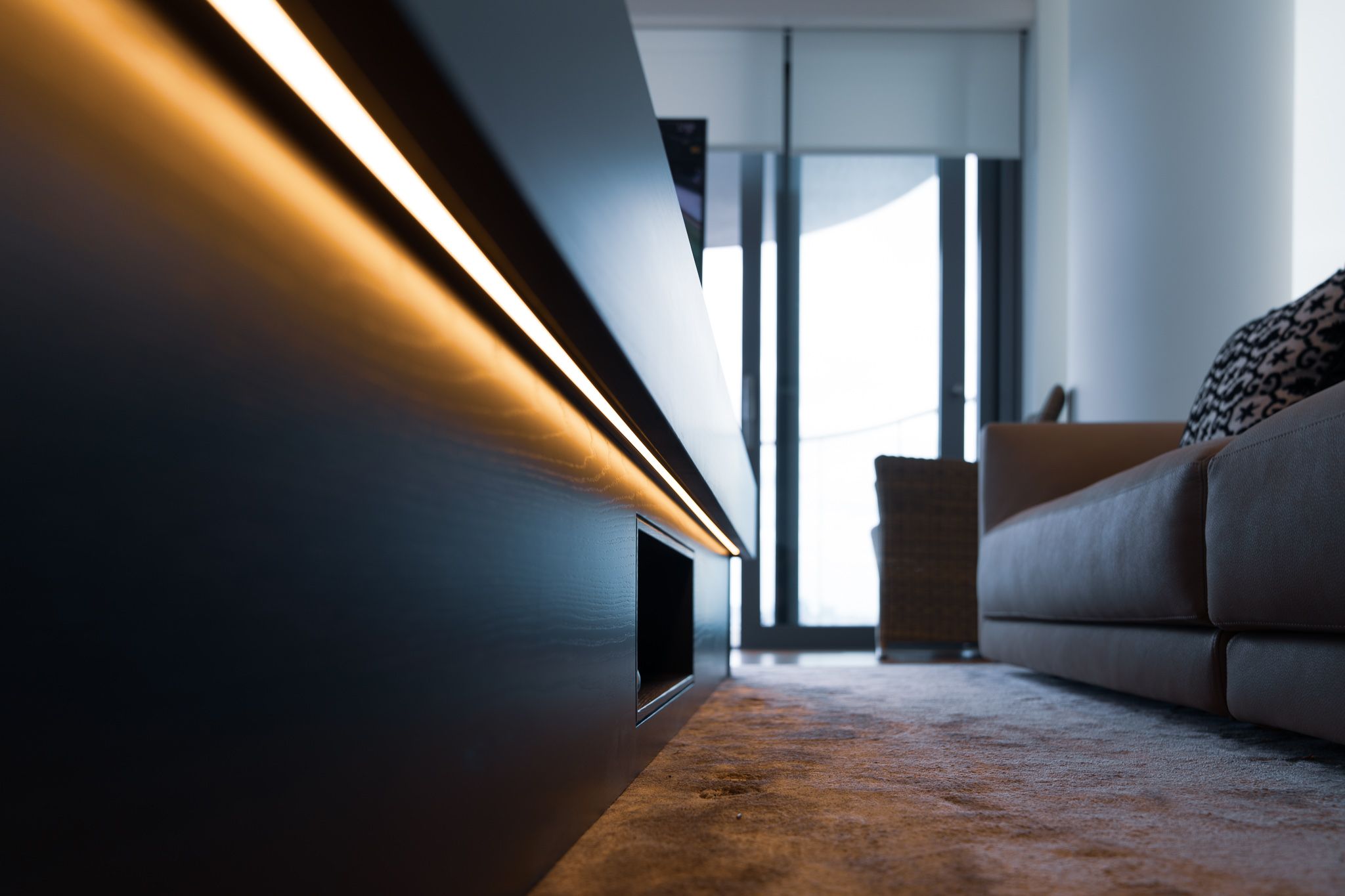
Modal AV plans lighting control, motorised blinds and curtains for new homes and substantial refurbishments across London and the Thames Valley, including Berkshire, Buckinghamshire and Oxfordshire.
Each service can stand alone. Where a project includes both, we coordinate electric light and daylight around the architecture and the way each room is used. Full lighting design can also be included within our package through an independent lighting designer.
A considered lighting system makes the right light easier to reach. A keypad can set the room for cooking, reading or an evening with guests without asking someone to adjust several circuits in turn. The app remains useful, but it should not be the only practical way to operate the home.
Good results depend on more than adding smart controls. The fittings, drivers, dimming method, circuit design and programming must work together. We resolve those relationships with the project team, then commission the scenes and control points in the finished rooms.
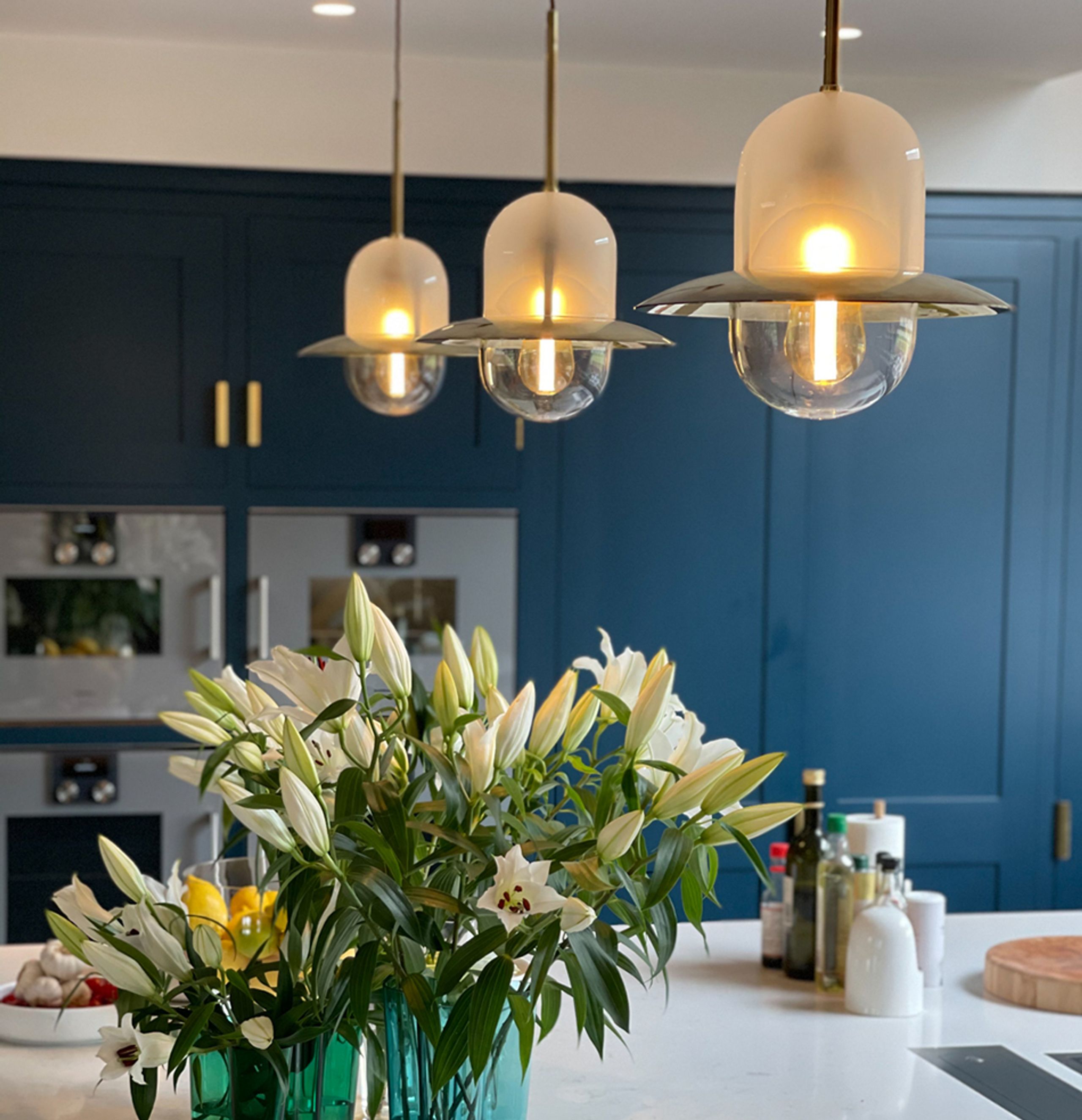
A project may need lighting control, motorised shading or both. It may also need a complete lighting design. We define each scope separately, then coordinate the parts that meet.
We plan circuits, dimming methods, keypads and scenes around the lighting schedule and the way each room will be used. The scope can cover a single area, a refurbishment or a centralised whole-home system.
Shading can be commissioned as its own system for privacy, glare control and everyday operation. Where it shares keypads or scenes with the lighting, we coordinate both without making either service dependent on the other.
Where a project needs the lighting scheme as well as its controls, Modal AV can include an independent lighting designer within the package. The agreed design and lighting schedule then inform fitting selection, circuit requirements, control planning, coordination and commissioning.
Lighting affects the electrical layout, ceiling plans, joinery, window treatments and the positions of visible controls. The earlier we can review the project, the more of that work can be resolved while the architect, lighting designer and electrical team can still act on it.
Send the current plans and lighting schedule where one exists. We use them to establish:
which circuits and fittings need control
the dimming method and driver compatibility for each load
keypad, sensor and interface positions
centralised or local equipment requirements
power, cable and containment for blinds and curtain tracks
how lighting and shading meet the wider control system
testing, scene-setting, documentation and handover requirements
Once the scope has been reviewed, Modal AV provides a project-specific quotation for the agreed work.
An LED fitting can switch on and still perform poorly when dimmed. Flicker, sudden steps, an unstable low level or a light that will not switch off cleanly often point to the relationship between the fitting, its driver, the control method and the size of the connected load.
We check that relationship before programming around it. If a driver is faulty or a fitting is incompatible with the agreed dimming method, the dependable answer may be to replace that component. Software cannot correct unsuitable hardware.
A centralised wired system can be appropriate where a new build or major refurbishment allows the electrical design to be planned from the outset. Wireless control can be equally useful when opening finished walls would be disproportionate, or when a project needs to reduce new control wiring.
Compatible Lutron wireless products can also provide tunable-lighting control without a separate DALI control bus. Product selection, fitting compatibility and the required range still need to be confirmed for the individual project.
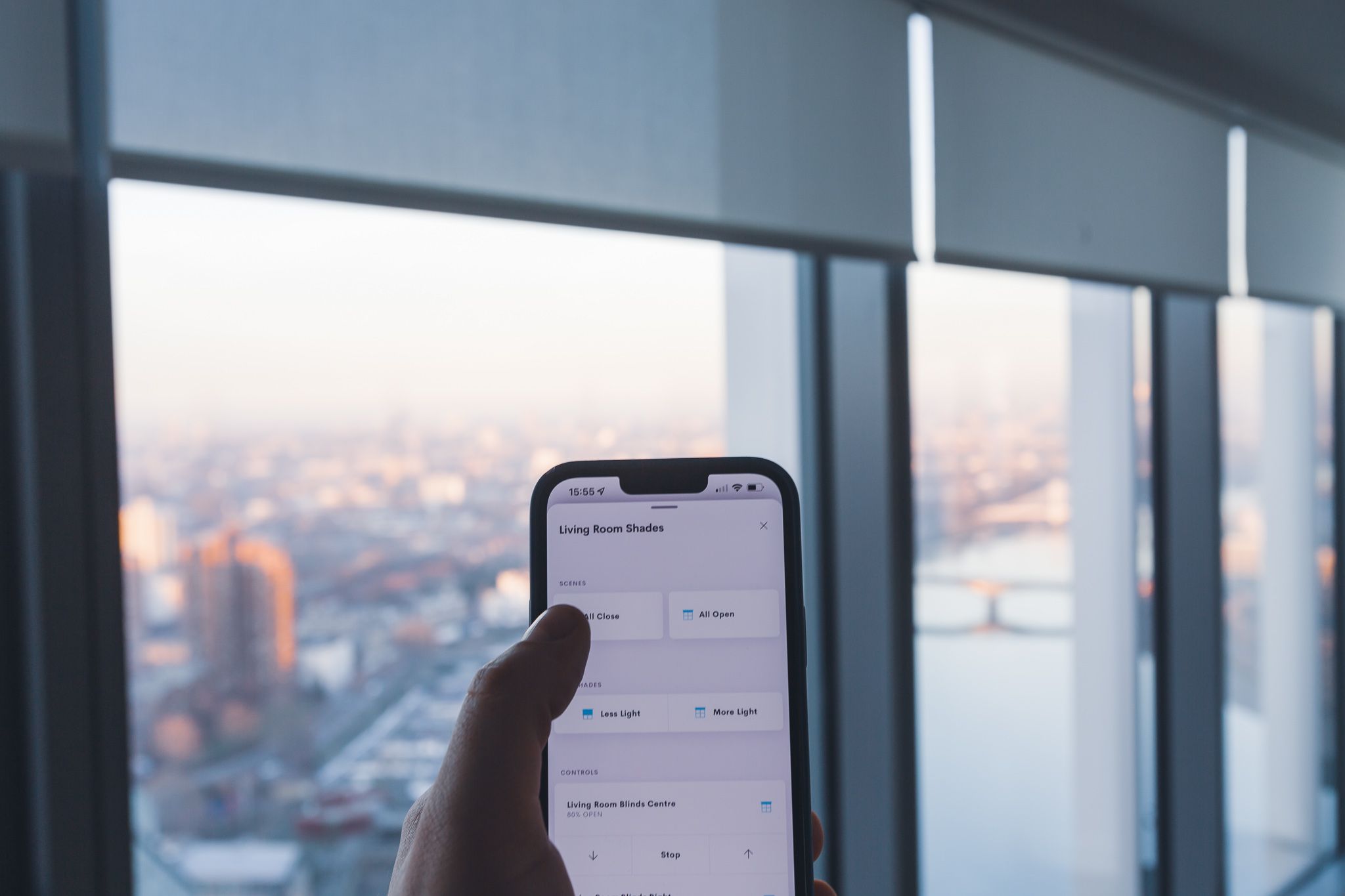
Existing rooms are not automatically excluded from motorised shading. Battery-powered options can reduce the need for new cabling, while wired systems may be possible where power can be brought to the window discreetly. The fixing position, available space, treatment size, fabric and finished detail determine the practical route.
There is no default platform for every home. We consider the property, the lighting schedule, existing infrastructure, preferred controls, required integrations and how the system will be maintained.
Crestron is one of Modal AV's principal lighting-control platforms. It can coordinate centralised circuits, DALI and phase-adaptive loads with the wider Crestron Home system where the scale and technical detail of the residence call for it.
Modal AV works with Lutron HomeWorks QSX and RadioRA 3 for residential lighting control, and with Sivoia QS and Palladiom for motorised shading. The appropriate architecture depends on the project stage, cabling, fittings and required interfaces.
Modal AV supplies, installs and commissions Palladiom Wired Shading as part of an agreed project scope.
Control4 can provide dedicated lighting control as part of a wider automation system, including keypads, scenes and coordination with entertainment, climate and security. Modal AV has used Control4 lighting in both residential work and a retail automation project.
Modal AV can also work with Rako, KNX and Savant where they suit the property or existing system. DALI is a lighting-control protocol rather than a competing home-automation platform; it can be retained or specified as part of the wider control design where it is appropriate.
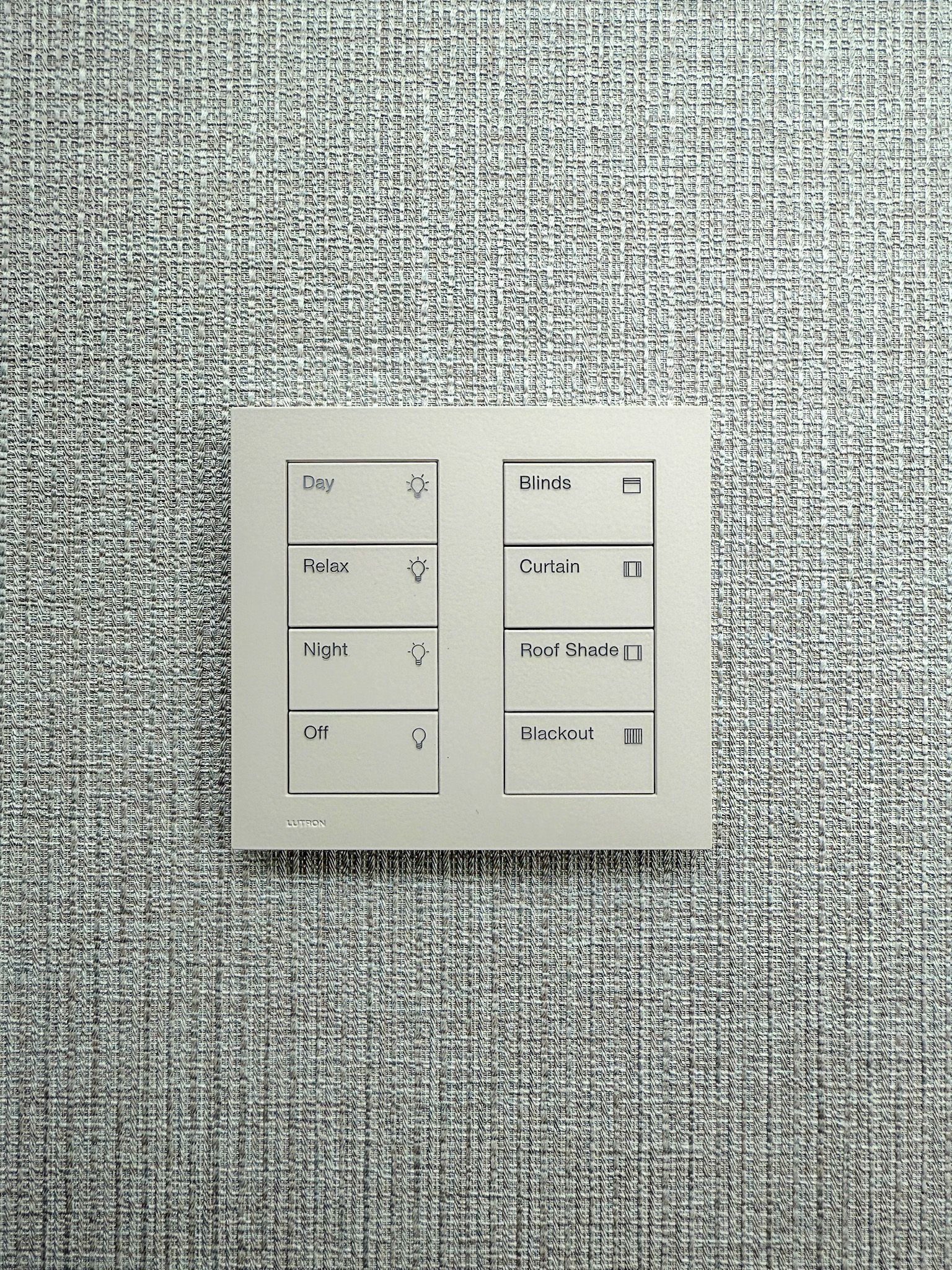
At South Bank, the existing DALI luminaires remained in place while an end-of-life iLight control system was replaced with Lutron HomeWorks QSX. Sivoia QS shading was included, with Crestron Home providing the wider property interface. The project shows how a refurbishment can retain suitable lighting infrastructure while replacing the control around it.
Chelsea Waterfront used Crestron centralised lighting control with DALI and phase-adaptive dimming. The scheme included XAL fittings, downlights, pendants and 5-amp circuits, giving the control design a defined set of loads rather than a generic room-by-room specification.
Commissioning establishes working dimming ranges, scene levels, keypad functions and shade limits in the finished rooms. We record the agreed system and explain the controls at handover so later changes begin with the installed condition rather than guesswork.
Ongoing work can then be agreed through SMARTmaintenance. Depending on the installed system and maintenance scope, that may include fault investigation, scene or programming changes, replacement of batteries in wireless shades, and adjustment of upper and lower shade limits.
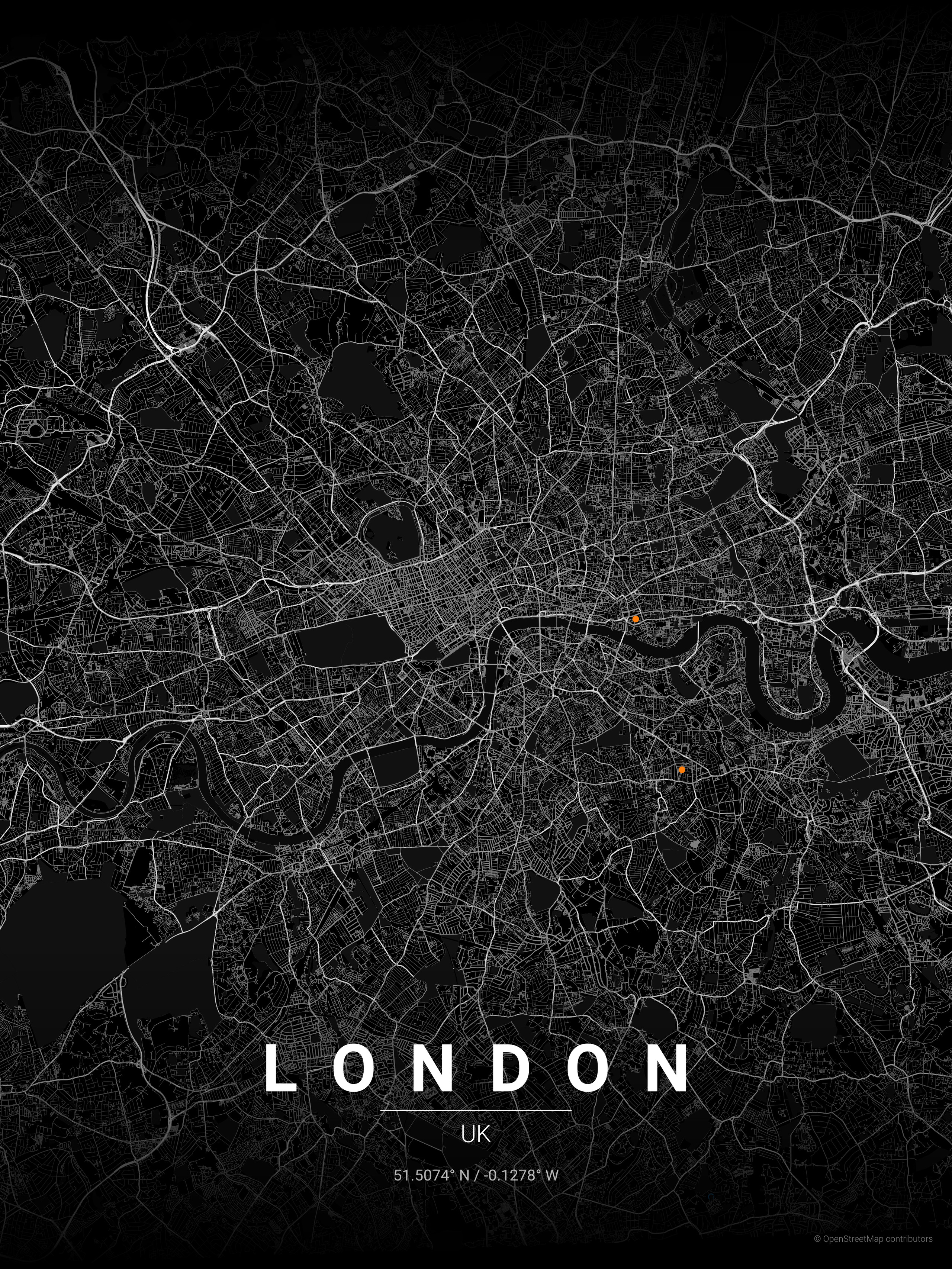
Modal AV undertakes lighting-control and motorised-shading installations across London and the Thames Valley, including Berkshire, Buckinghamshire and Oxfordshire. That covers the corridor between London and Oxford, including areas such as Maidenhead and Henley-on-Thames, where the project and service scope are a suitable fit.
No. Either can be planned and commissioned as a separate service. Where a project includes both, shared keypads and scenes can be coordinated without making one system dependent on buying the other.
Yes. The practical route depends on the existing wiring, fittings, drivers and access to the building fabric. Wireless controls can reduce new wiring, while suitable existing DALI luminaires or other infrastructure may sometimes be retained.
A complete lighting design can be included within Modal AV's package through an independent lighting designer. Fitting supply and procurement are defined in the project quotation so responsibility is clear before orders are placed.
Common causes include an unsuitable driver, a mismatch between the load and dimming method, poor minimum-load behaviour or a faulty component. The fitting and driver information needs to be checked rather than assuming programming alone will solve it.
Send the plans, lighting schedule and a note of the project stage. We review the control, shading, coordination and supply requirements, then prepare a quotation for the agreed scope. Modal AV does not publish a single price for projects with different fittings, circuits and building conditions.
As early as practical. Decisions about circuits, dimming, controls, power and window treatments are easier to resolve while the architect, lighting designer and electrical team can still update their information.
Smart lighting is a broad term. On a substantial residential project, we use it to mean a planned lighting-control system: compatible fittings and drivers, reliable dimming, practical keypads, scenes and app control, all commissioned as part of the installation. It is different from adding individual connected lamps room by room.
Send the current plans and lighting schedule, together with the project stage and the parts of the system you want us to consider. We will identify the information still needed and prepare a project-specific quotation for the agreed scope.
